

Blog
Can CNC cutting damage anti-static fabric’s protective properties?

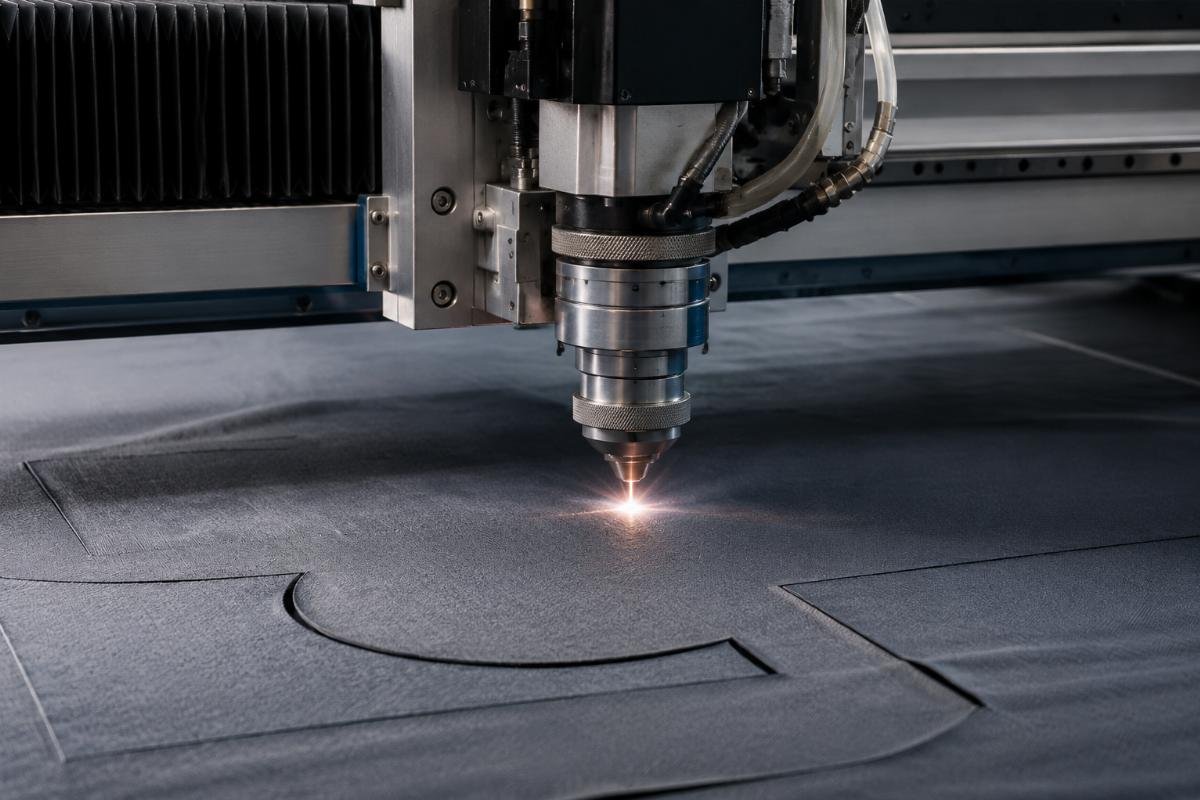
Can CNC cutting damage anti-static fabric's protective properties?
Many equipment buyers worry that mechanical cutting will destroy the conductive fibers in their anti-static fabrics. This fear leads them to search for specialized cutting tools they may not actually need.
Standard CNC cutting systems do not inherently damage anti-static fabric's conductivity when proper static management infrastructure is in place during the cutting process. In our client validation projects with electronics protective garment manufacturers, we observed maintained surface resistivity post-cutting across industrial-grade anti-static fabrics when grounding systems and process controls were implemented.
Before we discuss the technical solutions, I need to address a confusion that appears in nearly every initial client conversation about this topic.
Does mechanical cutting actually destroy conductive fibers?
Buyers often tell us they need special equipment because they believe cutting blades will sever the conductive threads woven into their anti-static fabrics. This concern focuses on the wrong problem.
The real issue is not blade-induced fiber damage but static charges generated during the cutting process itself. Standard oscillating knife systems and drag knives used in CNC cutting equipment create friction and material separation—mechanical actions that can produce transient static electricity regardless of the fabric's built-in anti-static properties.
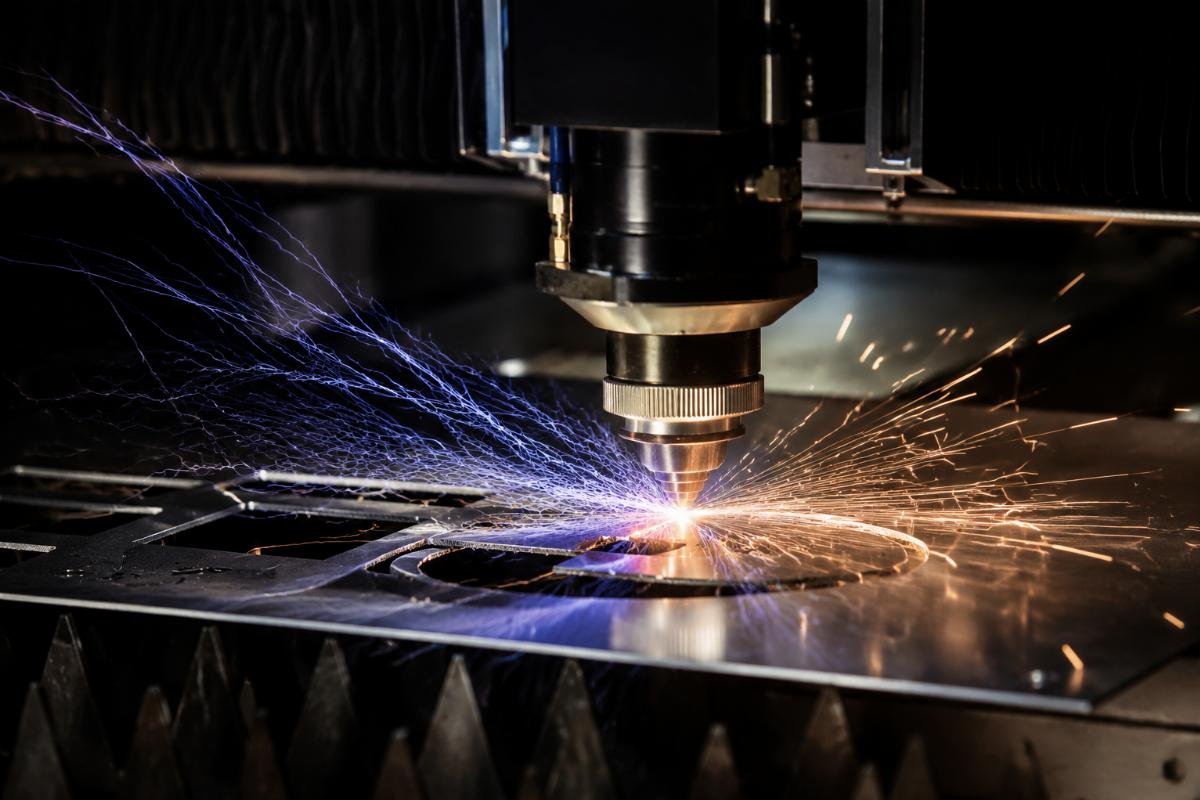
What actually happens to conductive fibers during cutting
When we cut anti-static fabric on CNC equipment, the blade does sever individual fibers along the cut path—this is unavoidable in any cutting method including manual scissors. However, this localized fiber cutting at the edge does not compromise the fabric's overall conductivity network.
Anti-static fabrics maintain their protective function through a distributed network of conductive fibers or treatments across the entire material surface. Cutting creates an edge where some fibers terminate, but the bulk material away from the cut line retains its full conductive grid. Think of it like cutting a piece of wire mesh—the individual wires at the cut edge are severed, but the mesh structure remains intact everywhere else.
In our acceptance testing with industrial safety garment manufacturers, we measure surface resistivity on cut fabric pieces and compare them to uncut material samples. The conductive performance remains within specification because the fabric's anti-static mechanism depends on the continuous network across the usable area, not on individual fiber continuity at cut edges.
| Cutting concern | Actual impact | Client validation result |
|---|---|---|
| Blade severs conductive threads | Localized only at cut edge | Surface resistivity maintained in usable fabric area |
| High-speed cutting creates heat | Minimal thermal effect with proper tooling | No measurable conductivity loss in electronics-grade materials tested |
| Mechanical stress damages fiber structure | Stress zone limited to immediate cut path | Post-cutting performance meets original fabric specifications |
The confusion arises because buyers conflate two separate phenomena: the fabric's engineered anti-static properties versus static electricity generated by the cutting process. These are distinct issues requiring different solutions.
Why does cutting anti-static fabric still create static problems?
During client trials at electronics protective garment facilities, we encountered a puzzling situation. Operators reported static cling and material handling issues even though they were cutting certified anti-static fabric on our equipment. The fabric itself had proper conductivity, so where was the static coming from?
The cutting process generates its own static charges through friction between the blade and material, air movement across the fabric surface during high-speed cutting, and the physical separation of material layers. These mechanically-generated charges exist independently of the fabric's anti-static treatment and require process-level mitigation.
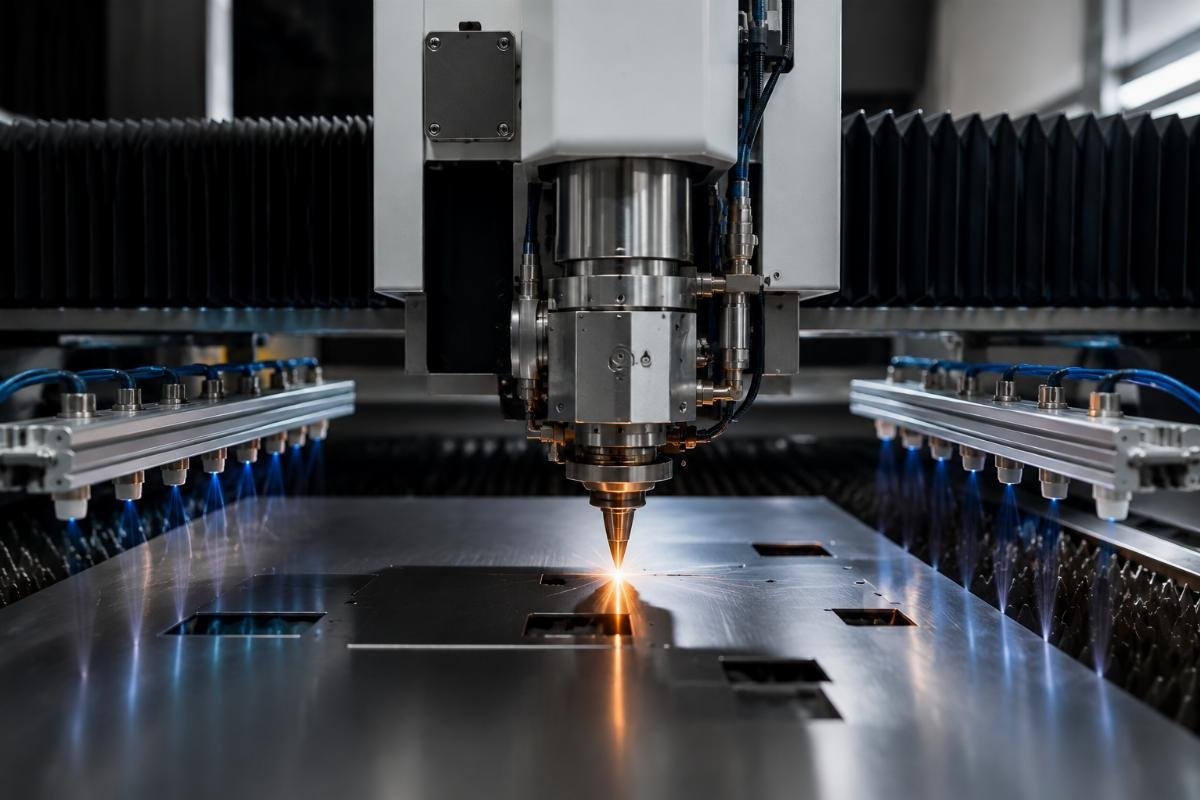
Static generation mechanisms in CNC cutting
I need to explain three specific ways our cutting equipment can introduce static charges that have nothing to do with damaging the fabric's conductive properties.
First, blade friction creates triboelectric charging. When the oscillating knife moves through fabric at speeds up to 1200 strokes per minute, the repeated contact and separation between blade and material transfers electrons. This happens even with anti-static fabric because the cutting tool itself is not part of the fabric's conductive network.
Second, material movement across the cutting table creates sliding friction. CNC systems use vacuum hold-down to secure fabric during cutting, but the material still shifts slightly during tool movement. This sliding generates surface charges, particularly with synthetic anti-static fabrics where the base polymer may not be conductive—only the added fibers or coatings provide conductivity.
Third, air displacement during rapid tool movement can induce charging. When the cutting head accelerates across the table, it pushes air across the fabric surface. This airflow separates charge layers in the surrounding atmosphere, and those separated charges can accumulate on the fabric surface.
In one validation project with an industrial protective equipment manufacturer, we measured static voltage on fabric pieces immediately after cutting. Without static elimination systems, we recorded transient voltages up to 8kV on cut pieces—despite the fabric having certified anti-static conductivity. Once we installed ionizing bars and proper grounding, those transient voltages dropped below 100V.
| Static source | Generation mechanism | Mitigation approach |
|---|---|---|
| Blade-material friction | Triboelectric charging from repeated contact | Grounded cutting tools and ionizing air flow |
| Material-table sliding | Surface charge from movement under vacuum | Conductive table surface with active grounding |
| Air displacement | Atmospheric charge separation from tool movement | Ionization bars positioned along cutting path |
This explains why "special anti-static cutting equipment" is not actually about protecting the fabric's conductive fibers—it is about managing the static charges that the cutting process itself creates.
What static management infrastructure actually works?
Based on feedback from clients across electronics and industrial safety applications, I can describe the static dissipation systems that address cutting-process static without requiring specialized cutting tools.
Standard CNC cutting equipment becomes suitable for anti-static fabric applications when you add three infrastructure components: continuous grounding paths from cutting table to earth ground, active static elimination through ionization, and process parameter tuning to minimize friction-induced charging.
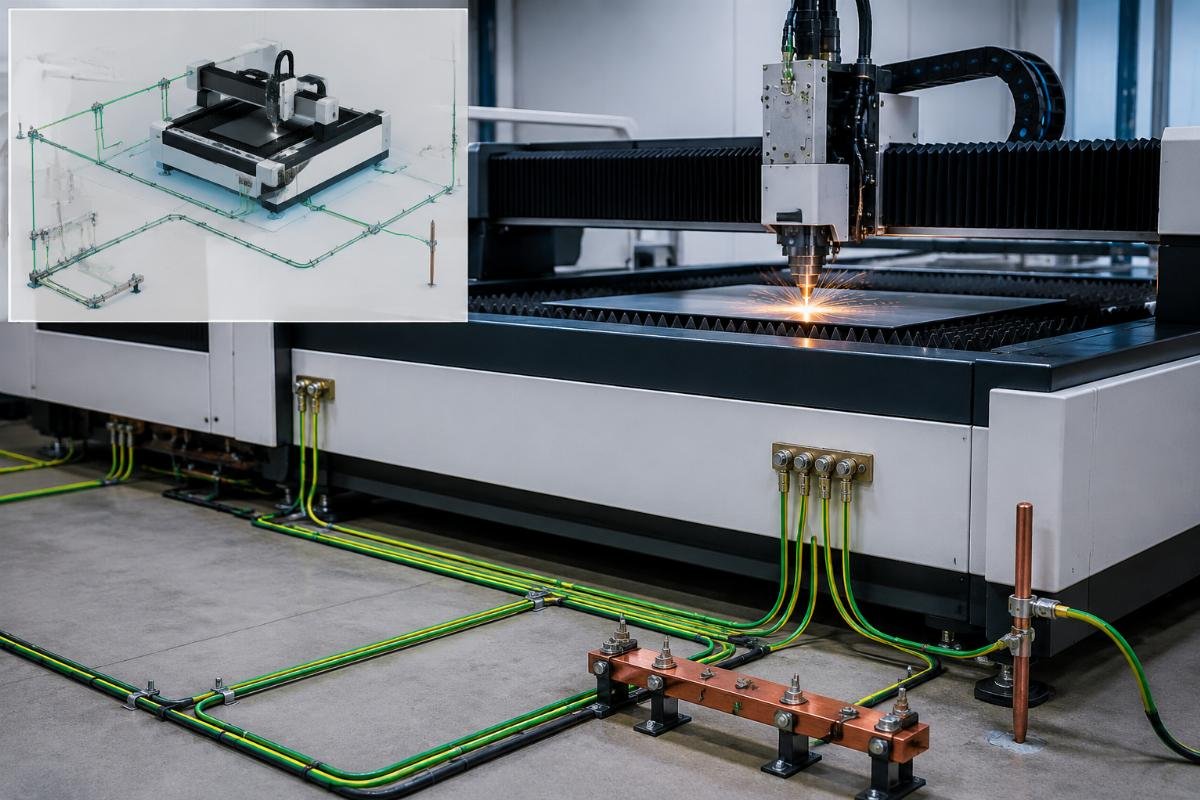
Grounding system design for cutting tables
The first requirement is a continuous conductive path from the cutting surface to earth ground. Many standard CNC tables use non-conductive materials for the vacuum surface—this creates an isolated platform where static charges accumulate with no discharge path.
We address this by specifying conductive vacuum table surfaces, typically aluminum honeycomb or carbon-composite panels, with direct bonding to the machine frame. The frame itself connects to facility ground through the equipment's power supply ground and supplementary grounding straps.
For facilities with concrete floors, we install copper grounding plates under the equipment and connect them to building ground infrastructure. This seems basic, but I have visited client sites where equipment sat on rubber anti-fatigue mats that completely isolated the machine from ground—defeating any static dissipation design.
The cutting tools themselves also need grounding. Oscillating knife holders and drag blade assemblies connect to the cutting head's metal housing, which connects through the gantry frame to table ground. Some cutting heads use insulated components for other reasons—those require retrofit grounding straps to maintain the conductive path.
Active static elimination through ionization
Grounding handles static dissipation but only when charges have a conductive path to ground. Anti-static fabric provides that path through its conductive fiber network, but the fabric surface can still accumulate atmospheric charges faster than they dissipate through the material's resistivity.
This is where ionizing bars become necessary. These devices generate a balanced stream of positive and negative ions that neutralize surface charges on the fabric before and after cutting. We position ionizing bars at the material infeed area and along the cutting path, typically 12-18 inches above the fabric surface.
In one acceptance test at an electronics cleanroom garment manufacturer, we ran comparison cuts with and without ionization. Without ionizers, cut pieces showed 4-6kV surface voltage and exhibited strong static cling when operators tried to stack them. With ionizers active, surface voltage stayed below 200V and material handling became normal.
The ionization system requires its own setup considerations. The ion balance must stay within ±50V to avoid inducing new charges, and the emitter points need regular cleaning to maintain output. Some clients initially disabled the ionizers to save maintenance effort, then reactivated them after experiencing material handling problems.
Cutting parameter optimization
The third component is less obvious—tuning cutting speed and blade depth to minimize friction-induced charging. Higher cutting speeds generally create more friction and static, but cutting too slowly reduces productivity. We work with clients during acceptance testing to find the optimal parameter balance.
For typical industrial anti-static fabrics with polyester or nylon base materials, we find that cutting speeds around 800-1000 mm/s provide good productivity while keeping friction-induced static manageable when combined with ionization. Blade depth should penetrate just through the fabric without excessive contact with the cutting table—deeper blade settings create more friction without improving cut quality.
Tool selection also matters. Oscillating knives generate less friction than rotary blades for most anti-static fabric applications because the reciprocating motion has shorter contact time per stroke. Drag knives work well for lightweight anti-static materials but can create more sliding friction on heavier fabrics.
| Infrastructure component | Function | Implementation requirement |
|---|---|---|
| Conductive cutting surface | Provides charge dissipation path | Aluminum or carbon-composite table with frame bonding |
| Equipment grounding | Connects dissipation path to earth | Facility ground connection, grounding straps on insulated components |
| Ionization system | Neutralizes atmospheric surface charges | Balanced ion bars at infeed and cutting zones, regular maintenance |
| Optimized cutting parameters | Minimizes friction-induced charging | Speed and blade depth tuning during acceptance testing |
These systems work together—removing any one component degrades the overall static management effectiveness.
Which anti-static fabric types have we actually validated?
I need to be specific about the material categories we have direct client validation experience with. We have run acceptance tests and received post-deployment feedback from manufacturers using three main anti-static fabric types.
Our validated applications cover carbon-fiber blended fabrics used in electronics protective garments, conductive-coated synthetic fabrics for industrial cleanroom applications, and metal-fiber woven materials for specialized ESD protection products. These represent the majority of industrial anti-static fabric cutting requirements we encounter.
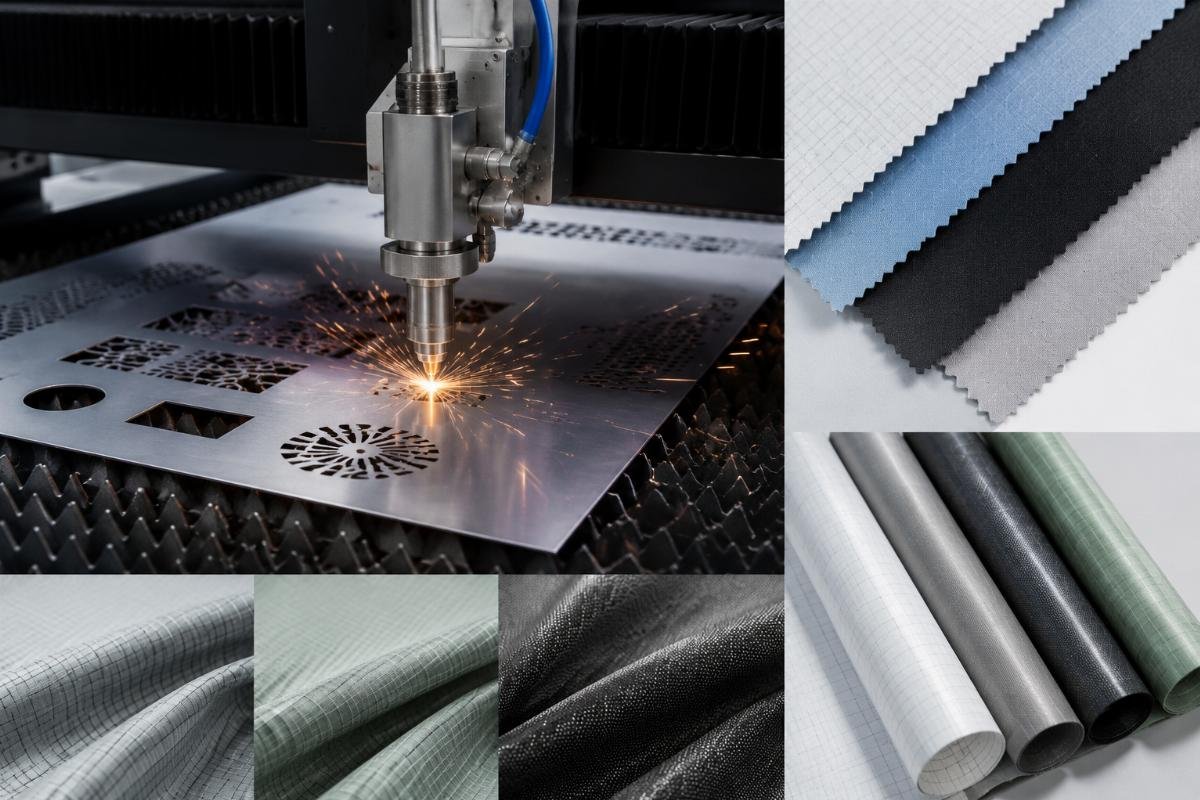
Carbon-fiber blended materials
These fabrics incorporate fine carbon fibers blended with polyester or nylon base yarns. The carbon content typically ranges from 2-5% by weight, providing permanent conductivity through the distributed carbon fiber network.
We have cut these materials for electronics assembly garment manufacturers and found they respond well to standard oscillating knife cutting with proper static management. The carbon fibers do sever at the cut line, but the remaining fiber network maintains conductivity across the cut pieces.
One consideration specific to carbon-blended fabrics is blade wear. Carbon fibers are abrasive and accelerate blade dulling compared to standard textiles. We recommend more frequent blade replacement—typically every 40-50 hours of cutting time versus 80-100 hours for non-conductive fabrics.
Conductive-coated synthetic fabrics
The second category uses standard synthetic base fabrics with applied conductive coatings or finishes. These coatings can be carbon-based, metallic particle dispersions, or conductive polymer treatments.
From a cutting equipment perspective, coated fabrics present a different challenge than blended materials. The coating can transfer onto cutting blades and table surfaces, requiring more frequent cleaning. Some coating types also become tacky when heated, though our blade speeds do not typically generate enough heat to cause problems.
In validation testing with industrial cleanroom garment manufacturers, we found that ionization becomes more critical for coated fabrics than blended types. The base material often has higher resistivity, so surface charges dissipate more slowly without active ionization.
Metal-fiber woven materials
These specialized fabrics incorporate stainless steel or copper-alloy fibers woven directly into the textile structure. They provide the lowest resistivity and most robust ESD protection but represent a small fraction of industrial anti-static fabric cutting applications.
Metal-fiber fabrics are tougher on cutting equipment than carbon-blended or coated materials. We recommend rotary blade cutting rather than oscillating knives for materials with metal fiber content above 10%. The metal fibers significantly increase blade wear and require hardened tool steel blades.
I should note that our validation experience with metal-fiber fabrics comes from a smaller number of client deployments compared to the other two categories. Most electronics and industrial safety applications use carbon-blended or coated fabrics because they offer sufficient conductivity at lower material cost.
| Fabric type | Conductivity mechanism | Cutting considerations | Blade wear rate |
|---|---|---|---|
| Carbon-fiber blended | Distributed carbon fiber network | Standard oscillating knife suitable | Moderate to high due to carbon abrasiveness |
| Conductive-coated | Surface coating on synthetic base | More frequent cleaning, ionization critical | Low to moderate, coating transfer requires maintenance |
| Metal-fiber woven | Metal threads in textile structure | Rotary blade preferred for high metal content | High due to metal fiber hardness |
We do not validate every anti-static fabric formulation—our acceptance testing focuses on representative samples from client production runs rather than comprehensive material testing across all available products.
How do we verify that conductivity is maintained after cutting?
During client acceptance testing, we follow a practical verification approach focused on whether the cut fabric meets the customer's downstream production requirements rather than conducting formal materials lab testing.
We work with client quality teams to measure surface resistivity on cut pieces using their standard testing equipment and procedures. This ensures cut material performance matches the customer's existing quality specifications rather than introducing new testing protocols that may not align with their production workflow.
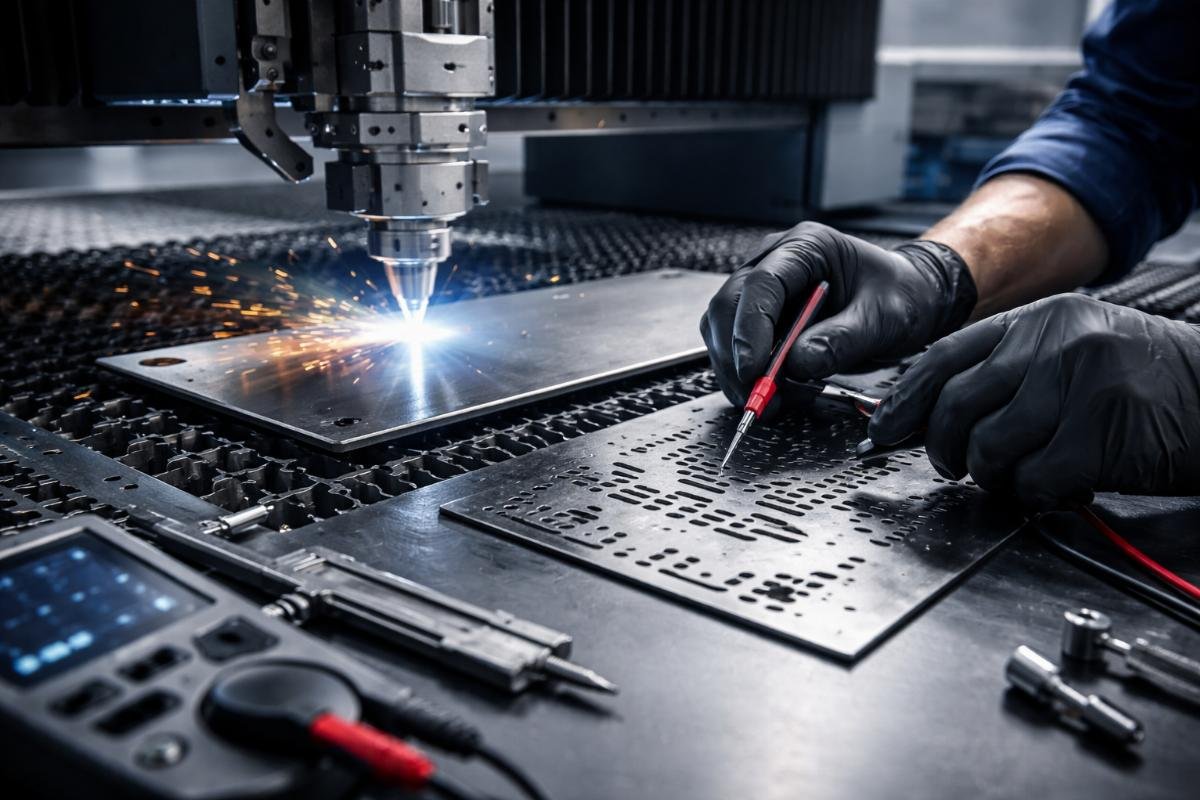
Client-side testing protocol
In a typical acceptance test, the client provides sample anti-static fabric from their production inventory along with their specification requirements—usually a maximum surface resistivity value or resistance-to-ground measurement. We cut test pieces according to the client's pattern requirements, then the client's quality team measures the cut pieces using their standard test equipment.
This approach has practical advantages. First, it uses the client's actual production material rather than generic test samples, so we validate performance on the specific fabric formulation they will cut. Second, it leverages the client's existing test equipment and procedures, avoiding disputes about measurement methodology. Third, it produces results directly comparable to the client's incoming material specifications.
Most electronics protective garment manufacturers measure surface resistivity using a standardized megohmmeter with concentric ring electrodes applied to the fabric surface. Industrial safety product manufacturers may use resistance-to-ground measurements with a grounding point on one side of the fabric and a probe on the other side.
We do not dictate which measurement method clients should use because different industries and applications have different standard practices. Our role is to demonstrate that cutting does not degrade measured performance below the client's required specifications using their own testing approach.
Typical validation results
Across our acceptance testing experience with electronics and industrial clients, we consistently observe that cut fabric pieces maintain surface resistivity within the original material specification when proper static management infrastructure operates during cutting.
For carbon-fiber blended fabrics, clients typically specify maximum surface resistivity between 10^6 and 10^9 ohms per square. Post-cutting measurements on these materials fall within the same range as pre-cutting values—we do not see degradation from blade contact with the conductive fiber network.
Conductive-coated fabrics show more variation in post-cutting measurements, but this appears related to coating uniformity in the source material rather than cutting-induced damage. When we cut multiple pieces from the same fabric roll, the surface resistivity measurements vary by similar amounts whether we test cut pieces or uncut material samples.
The validation testing also reveals situations where cutting exposes pre-existing material quality issues. In one case, a client reported that cut pieces failed resistivity testing, but when we tested uncut material from the same roll section, it also failed. The cutting process made the non-conforming material easier to identify rather than causing the conductivity problem.
What we do not claim
I need to be clear about the boundaries of what our validation demonstrates. We verify that cutting equipment with proper static management maintains fabric conductivity performance within client production specifications. We do not conduct formal material science research on anti-static mechanisms or publish peer-reviewed testing data.
Our validation approach proves that the equipment performs adequately for the client's specific application. It does not constitute comprehensive material testing across all possible anti-static fabric formulations, environmental conditions, or use scenarios.
When clients ask for testing data, we provide their own acceptance test results rather than generic performance claims. This keeps our evidence specific and verifiable rather than making broad assertions that exceed our actual validation experience.
Conclusion
CNC cutting equipment does not damage anti-static fabric's conductivity when you implement proper static management during the cutting process. Focus on grounding systems, ionization, and process tuning rather than searching for specialized cutting tools you likely do not need.