

Blog
Why Do Denim Manufacturers Need Heavy-Duty Cutting Equipment Customization?

Why Do Denim Manufacturers Need Heavy-Duty Cutting Equipment Customization?
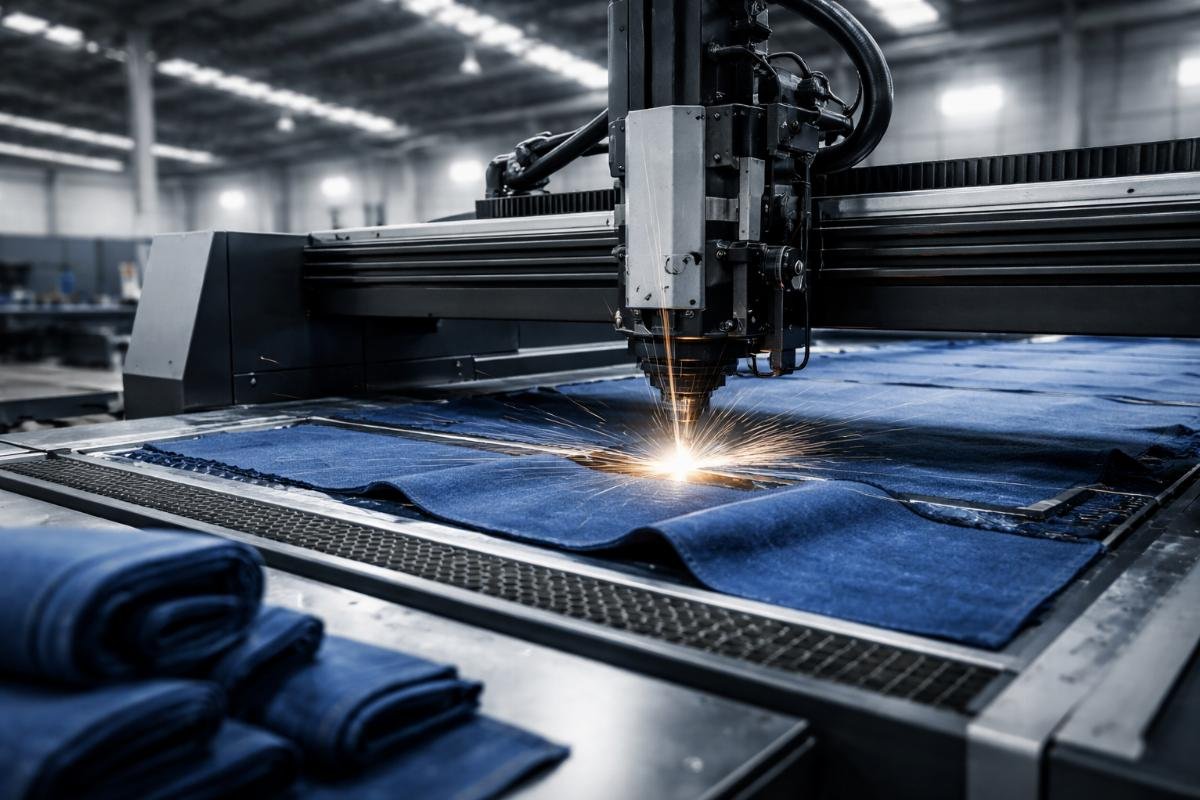
We often receive calls from denim manufacturers who have tried standard cutting machines. They describe the same problem: the machine works fine for the first few months, then blade replacements become weekly, and production stops pile up. This isn't a maintenance issue—it's a mismatch between machine capacity and denim's actual demands.
Heavy-duty cutting equipment customization matches machine frame strength, blade wear cycles, and control precision to your actual denim layer thickness and fabric density. For manufacturers running 12+ hour shifts with thick layer stacks, this approach reduces total ownership cost over 3-5 years by decreasing downtime and blade replacement frequency.
When manufacturers describe their stoppage patterns to us, two scenarios appear repeatedly. The first group expanded production from single-layer cutting to 10+ layers but kept their original equipment. The second group switched to heavier denim grades without adjusting their machines. Both face the same outcome: accelerated blade wear and frequent quality drift.
What Makes Denim Cutting Different From Standard Garment Cutting?
Most garment cutting beds are designed for thin, soft fabrics. Denim creates different stress on machines. The difference matters because it changes what equipment components you need.
Denim's density and weave structure create higher blade resistance than standard apparel fabrics. When you stack multiple layers, this resistance multiplies, requiring stronger frame rigidity, higher servo motor torque, and blade geometries designed for abrasive materials.
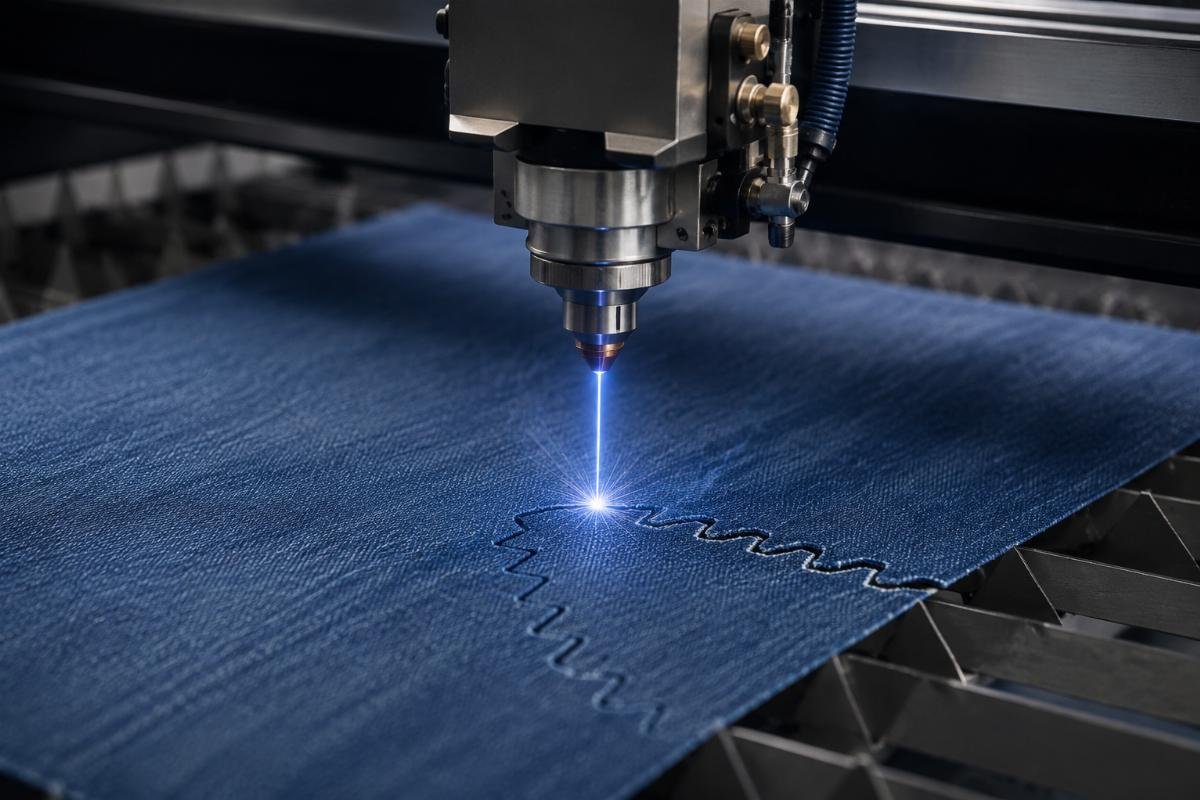
We work with manufacturers who switched from cotton T-shirt production to denim jeans. Their existing cutting bed had adequate speed specs on paper. But when they loaded 8 layers of 14oz denim, the frame deflected slightly under blade pressure. This deflection—less than 1mm—caused inconsistent cut edges on bottom layers. The manufacturer didn't need faster cutting speed. They needed a frame that wouldn't flex.
Standard cutting beds use frames designed for fabric weights up to 8oz and layer counts under 6. Denim manufacturers typically work with 10-16oz fabrics in stacks of 8-15 layers. The material resistance difference is substantial. A standard servo motor rated for 1.5kW handles light fabrics easily. With denim layer stacks, that same motor strains, heats up, and requires frequent cooling breaks.
The blade geometry also changes. Standard cutting uses blades with 30-40 degree angles optimized for clean edges in soft materials. Denim's tight weave structure requires blades with different angles and coatings. Without proper blade selection, you'll see accelerated wear—what should last 200 cutting hours wears out in 50 hours.
| Component | Standard Garment Cutting | Heavy-Duty Denim Cutting |
|---|---|---|
| Frame Material | Standard steel (8-10mm) | Reinforced steel (12-15mm) |
| Servo Motor | 1.5kW | 3.0-5.5kW |
| Blade Angle | 30-40° | 45-52° |
| Blade Coating | Standard | Tungsten carbide |
| Layer Capacity | 1-6 layers | 8-15 layers |
| Fabric Weight Range | Up to 8oz | 10-16oz+ |
When Does Standard Equipment Start Failing With Denim Production?
Manufacturers rarely contact us when everything works smoothly. They reach out when specific problems repeat. Understanding these trigger points helps you evaluate whether your current equipment matches your production demands.
Equipment failure patterns with denim typically appear as: blade replacements increasing from monthly to weekly intervals, cut edge quality varying between top and bottom layers, or machine stops becoming unpredictable during high-volume runs.
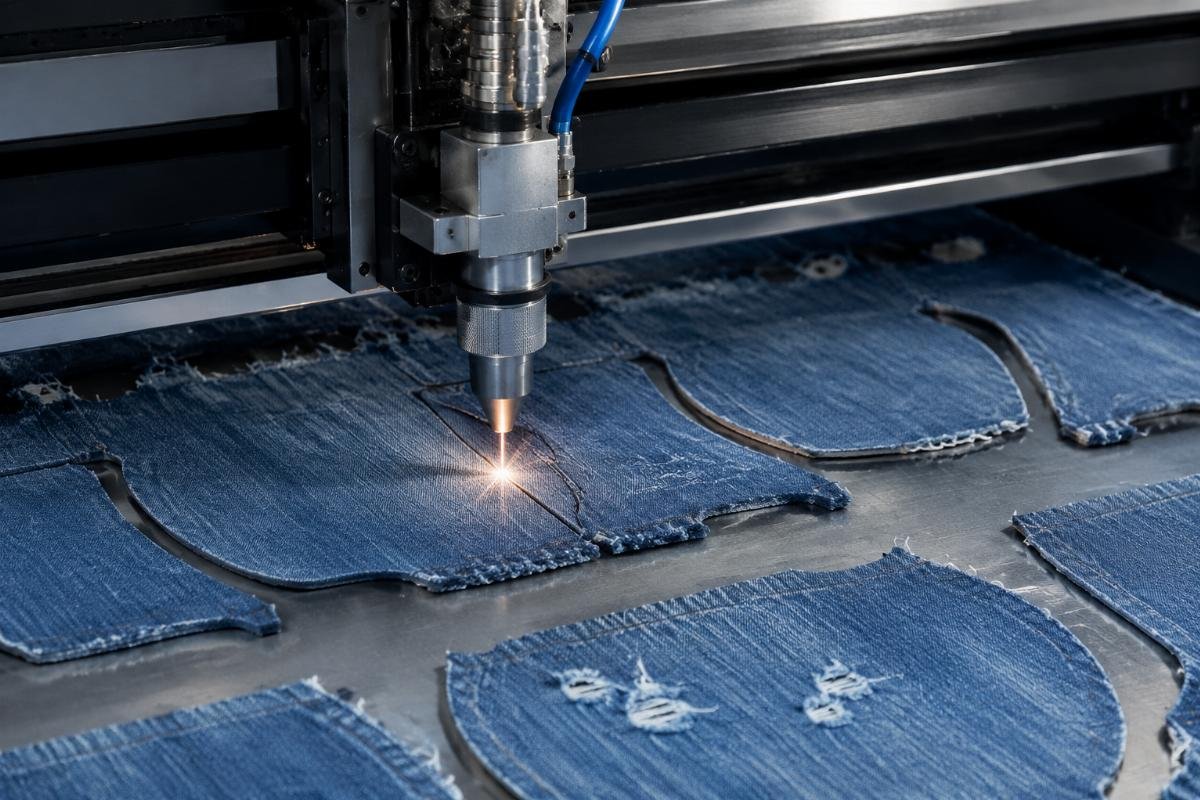
One customer from Vietnam described their situation clearly. They ran 10-hour daily shifts cutting denim for export markets. For the first year, blade changes happened every 3-4 weeks. By month 18, they replaced blades twice weekly. They initially blamed blade quality and switched suppliers three times. The blade wasn't the problem—their machine's servo motor couldn't maintain consistent pressure through thick denim stacks, causing the blade to work harder and wear faster.
The failure pattern follows a predictable sequence. First, you notice blade life decreasing. You order more blades and increase replacement frequency. Then cut quality starts varying—top layers look clean, bottom layers show rough edges. You adjust blade depth settings, which temporarily helps but doesn't solve the root cause. Finally, the machine starts stopping mid-cut or requires cooling breaks during production runs.
These aren't random failures. They signal that your machine's core specifications—frame rigidity, motor torque, and control precision—don't match your current production demands. Standard equipment manufacturers design for average garment industry conditions. Denim production falls outside that average.
The cost calculation becomes clear when you track actual downtime. If your production line generates $500/hour in output value, and blade-related stops cost you 3 hours weekly, that's $1,500 in lost production per week, or $78,000 annually. Compare this to the cost difference between standard and heavy-duty equipment, typically $15,000-25,000. The equipment pays for itself in under 4 months through reduced downtime alone.
Another trigger point: expanding to thicker denim grades or higher layer counts. A manufacturer might start with 10oz denim in 6-layer stacks, then win contracts requiring 14oz fabric in 12-layer cuts. Their existing machine struggles immediately. The frame deflects, blade wear accelerates, and cut accuracy decreases. They face a choice: limit production to lighter fabrics and fewer layers, or match equipment to new production demands.
What Customization Variables Actually Affect Denim Cutting Performance?
When manufacturers ask about customization, they often focus on wrong variables. They inquire about CAD software features or cutting speed specifications. These matter, but they don't address core heavy-duty performance factors.
The customization variables that directly impact denim cutting performance are: frame structural reinforcement matching your maximum layer stack weight, servo motor torque calibrated to your fabric density, and blade tool classification suited to your specific denim weave characteristics.
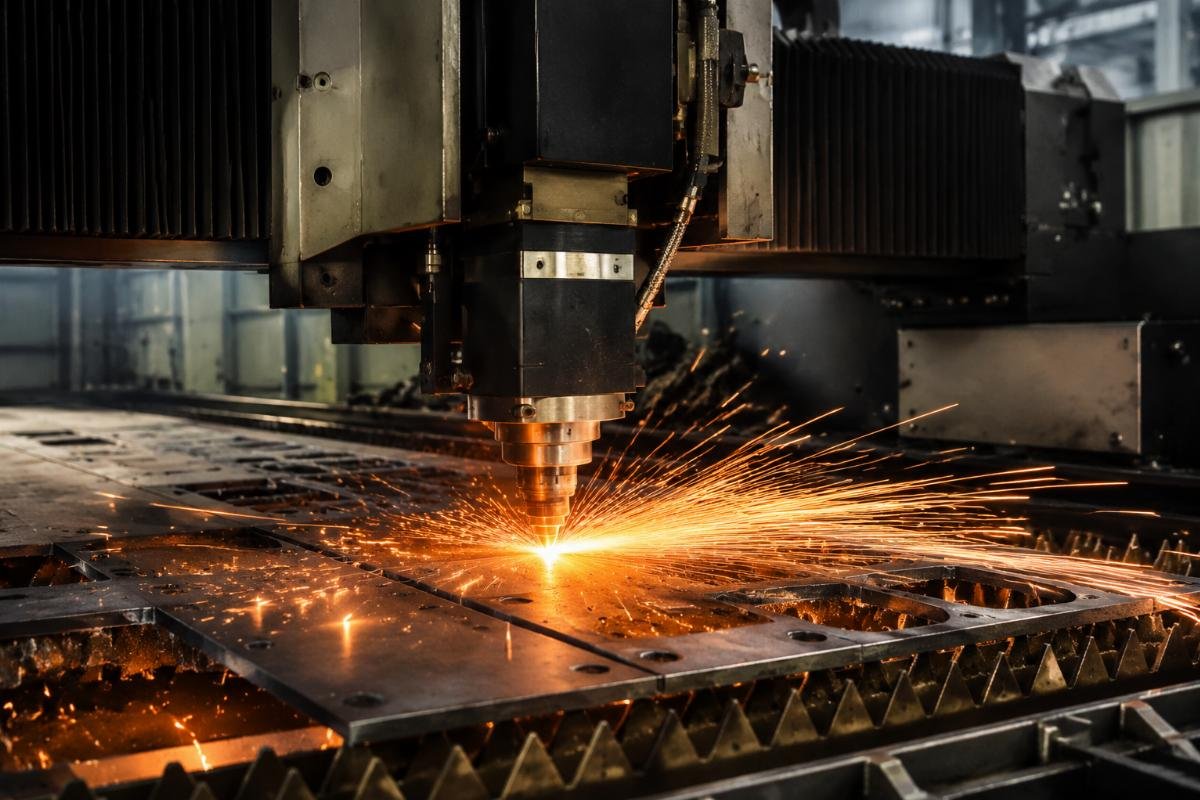
Frame reinforcement determines how much load the cutting bed can handle without deflection. Standard frames use 8-10mm steel construction adequate for fabrics up to 200kg total cutting area load. When you stack 15 layers of 14oz denim across a 2m×3m cutting area, total material weight approaches 400-500kg. Add blade pressure force during cutting, and total frame stress doubles. Without frame reinforcement to 12-15mm steel with additional crossbeam support, the bed flexes during cutting. This flex—even 0.5mm—creates inconsistent blade angles, causing poor cut quality on bottom layers.
We work with each manufacturer to calculate their maximum layer stack weight based on fabric density, typical pattern sizes, and cutting area dimensions. This calculation determines frame reinforcement requirements. For a manufacturer cutting 12oz denim in 10-layer stacks on a 1.8m×2.5m bed, we specify frame reinforcement to handle 350kg static load plus 150kg dynamic cutting force. This prevents deflection throughout the machine's operational life.
Servo motor torque directly affects blade performance with dense fabrics. Standard motors provide 1.5-2.0kW power, sufficient for soft materials with low cutting resistance. Denim's tight weave creates higher resistance—approximately 3-4x that of cotton jersey. When cutting through 12 layers, blade resistance multiplies further. A 1.5kW motor runs at near-maximum capacity, generating heat and requiring frequent stops. We customize motor selection based on your typical layer count and fabric density. For 14oz denim in 12-layer stacks, we specify 4.5-5.5kW servo motors that operate at 60-70% capacity during heavy cutting, maintaining performance stability and reducing thermal stress.
The blade tool classification affects wear cycles and replacement frequency. Standard cutting uses HSS (High-Speed Steel) blades adequate for soft fabrics with minimal abrasive properties. Denim contains residual sizing chemicals and has a dense weave structure that accelerates blade wear. We match blade specification to denim characteristics: tungsten carbide coated blades for standard denim, diamond-coated blades for heavily treated or coated denim products. One customer switched from standard HSS blades (replaced every 60 cutting hours) to tungsten carbide blades (replaced every 240 cutting hours), reducing annual blade costs by 65%.
Control system precision determines whether the machine maintains consistent blade angle and depth throughout cutting cycles with varying material resistance. When blade encounters denser denim areas (seams, double-ply sections), material resistance increases suddenly. Standard control systems respond with slight lag, causing momentary blade angle changes. Heavy-duty control systems adjust servo motor output within 0.1 seconds, maintaining blade geometry even with resistance changes. This precision prevents the rough edges that appear on bottom layers with standard equipment.
| Customization Factor | Standard Specification | Heavy-Duty Specification | Performance Impact |
|---|---|---|---|
| Frame Thickness | 8-10mm | 12-15mm | Eliminates deflection under load |
| Load Capacity | 200kg | 400-500kg | Handles thick layer stacks |
| Servo Motor Power | 1.5-2.0kW | 4.5-5.5kW | Consistent cutting force |
| Blade Material | HSS | Tungsten carbide/Diamond | 3-4x longer blade life |
| Control Response | 0.3-0.5 seconds | 0.1 seconds | Maintains cut quality |
How Do You Calculate Whether Heavy-Duty Investment Matches Your Production Pattern?
Manufacturers face a practical question: does the cost difference between standard and heavy-duty equipment justify the benefits? This calculation requires actual production data, not equipment specifications alone.
The investment evaluation compares upfront equipment cost difference against three-year total ownership costs including blade replacement frequency, production downtime hours, and quality rejection rates from your current equipment performance.
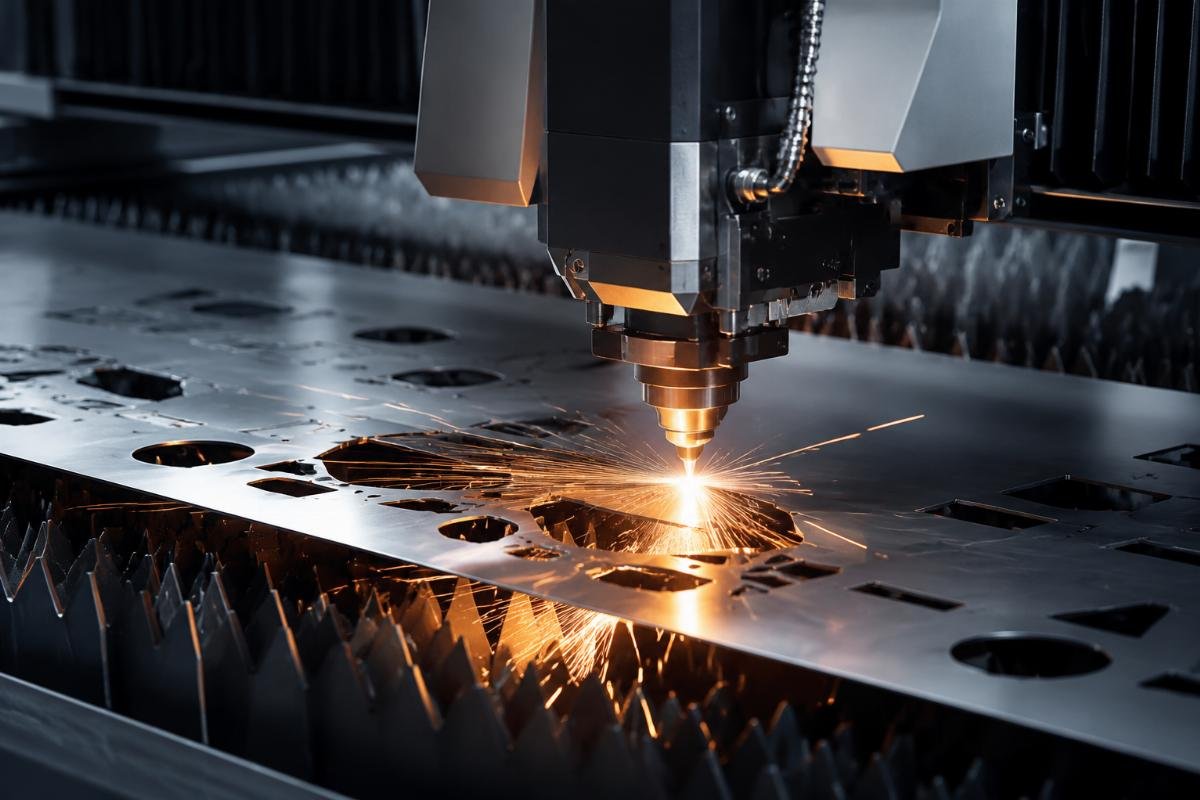
Start with your current blade replacement frequency and cost. Track how many blades you purchase monthly and multiply by blade unit cost. A manufacturer using standard equipment with denim might replace blades 8-10 times monthly at $150 per blade, totaling $1,200-1,500 monthly or $14,400-18,000 annually in blade costs alone. Heavy-duty equipment with proper blade specification typically reduces replacement frequency to 2-3 times monthly, cutting annual blade costs to $3,600-5,400. That's $10,800-12,600 in annual savings from blade costs alone.
Next, calculate production downtime costs. Track every machine stop related to blade changes, quality adjustments, or equipment cooling requirements. Estimate the production value lost during these stops. If your cutting department generates $400/hour in output value, and blade-related stops total 4 hours weekly, that's $1,600 weekly or $83,200 annually in lost production. Heavy-duty equipment typically reduces these stops to 1 hour weekly, recovering $62,400 in annual production value.
Quality rejection rates add hidden costs. When cut quality degrades with worn blades or equipment strain, some cut pieces fail quality inspection. Track your rejection rate and the material cost of rejected pieces. A 2% rejection rate might not seem significant, but with $50,000 monthly material costs, that's $1,000 in waste monthly or $12,000 annually. Better cut consistency with heavy-duty equipment often reduces rejection rates to 0.5% or less, saving approximately $9,000 annually.
Sum these factors over equipment's expected operational life. Assume a 5-year equipment life cycle:
Standard Equipment Ownership Costs (5 years):
- Initial equipment cost: $35,000
- Blade costs: $72,000-90,000 (5 years)
- Downtime losses: $416,000 (5 years)
- Quality rejections: $60,000 (5 years)
- Total 5-year cost: $583,000-601,000
Heavy-Duty Equipment Ownership Costs (5 years):
- Initial equipment cost: $55,000
- Blade costs: $18,000-27,000 (5 years)
- Downtime losses: $104,000 (5 years)
- Quality rejections: $15,000 (5 years)
- Total 5-year cost: $192,000-201,000
The $20,000 upfront cost difference yields $382,000-409,000 in total ownership savings over 5 years. This calculation assumes moderate production volumes and conservative cost estimates. High-volume operations see even greater cost differences.
We provide this framework to each manufacturer during equipment evaluation. You input your actual blade costs, production rates, and downtime tracking data. The calculation shows whether heavy-duty customization matches your production pattern. For manufacturers running single shifts with light denim grades and low layer counts, standard equipment might suffice. For operations running 10+ hour shifts with thick denim and high layer stacks, heavy-duty specification consistently shows positive return within 6-12 months.
What Are The Practical Limits Of Heavy-Duty Cutting Customization?
Manufacturers sometimes assume heavy-duty customization solves all production challenges. This creates unrealistic expectations. Understanding equipment limitations helps you match reasonable expectations to actual machine capabilities.
Heavy-duty customization improves machine frame strength, blade wear cycles, and control precision for denim applications, but cannot compensate for inadequate material preparation, improper fabric tensioning, or pattern nesting inefficiencies.
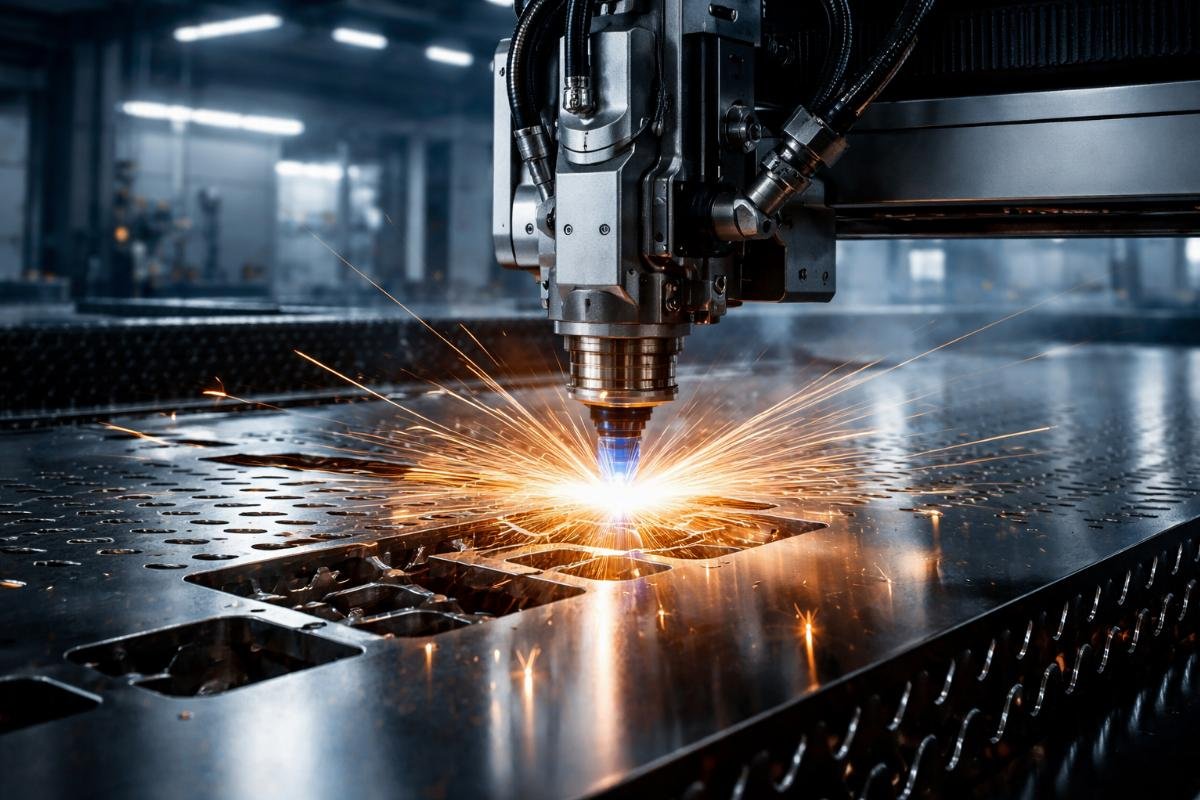
Frame reinforcement and stronger motors handle thicker layer stacks, but cutting quality still depends on proper fabric preparation. If denim layers aren't relaxed after rolling (allowing internal tension to dissipate), they shift during cutting regardless of machine specifications. We work with one manufacturer who reported inconsistent cut accuracy with new heavy-duty equipment. Investigation revealed they loaded fabric directly from rolls without 24-hour relaxation periods. The fabric's internal tension caused layer shifting that no machine specification can prevent. After implementing proper relaxation procedures, cut accuracy improved to expected levels.
Layer stacking technique affects results more than machine specifications in some cases. Denim layers must be smoothed and aligned with consistent tension across the cutting area. If layers are loosely stacked with wrinkles or uneven edges, the machine cannot compensate. Heavy-duty equipment provides consistent blade pressure and accurate servo control, but it processes whatever material condition you present. One customer complained about rough cut edges on bottom layers. We reviewed their stacking process and found operators stacking layers too quickly without proper smoothing between each layer. After stacking procedure training, their cut quality improved without equipment changes.
The customization also has fabric weight upper limits. Heavy-duty specifications we provide typically handle denim up to 16-18oz in layer stacks up to 15 layers. Beyond this point—for example, 20oz canvas-weight materials or 20+ layer stacks—you enter specialized industrial cutting territory requiring completely different machine classifications. We clearly communicate these boundaries during equipment planning. If your production includes materials beyond heavy-duty denim specifications, we discuss whether specialized equipment or production process changes make more sense.
Pattern nesting efficiency remains a software and planning issue, not a hardware customization factor. Heavy-duty equipment cuts whatever patterns you program, but it doesn't optimize pattern layouts for material utilization. Poor nesting creates excessive material waste regardless of machine quality. We include CAD software training with equipment delivery, but pattern optimization responsibility stays with your production planning team. The machine executes plans efficiently—it doesn't create better plans.
Maintenance requirements still exist with heavy-duty equipment, though intervals typically extend. Manufacturers sometimes assume "heavy-duty" means maintenance-free. All cutting equipment requires regular blade inspections, guide rail lubrication, and servo motor checks. Heavy-duty specifications reduce maintenance frequency from weekly to monthly intervals and extend component life, but they don't eliminate maintenance needs. We provide maintenance schedules calibrated to denim production demands during equipment handover.
| Customization Can Address | Customization Cannot Address |
|---|---|
| Frame deflection under load | Improper fabric relaxation |
| Blade wear from dense materials | Poor layer stacking technique |
| Motor strain from high resistance | Pattern nesting inefficiency |
| Control response lag | Inadequate operator training |
| Component failure frequency | Deferred maintenance |
Conclusion
Heavy-duty cutting equipment customization matches machine specifications to denim's actual production demands. The decision depends on comparing your current downtime costs, blade replacement frequency, and quality issues against equipment investment over a 3-5 year operational cycle.