

Blog
Carbon Fiber Cutting Machine Factory Direct Price Wholesale Supplier

Carbon Fiber Cutting Machine Factory Direct Price Wholesale Supplier
Cheaper machines cost more when carbon fiber delaminates and ruins your material yield.
Factory direct pricing for carbon fiber cutting machines depends on cutting precision, tool configuration, and table size—understanding these variables helps buyers avoid hidden costs from poor cut quality and material waste.
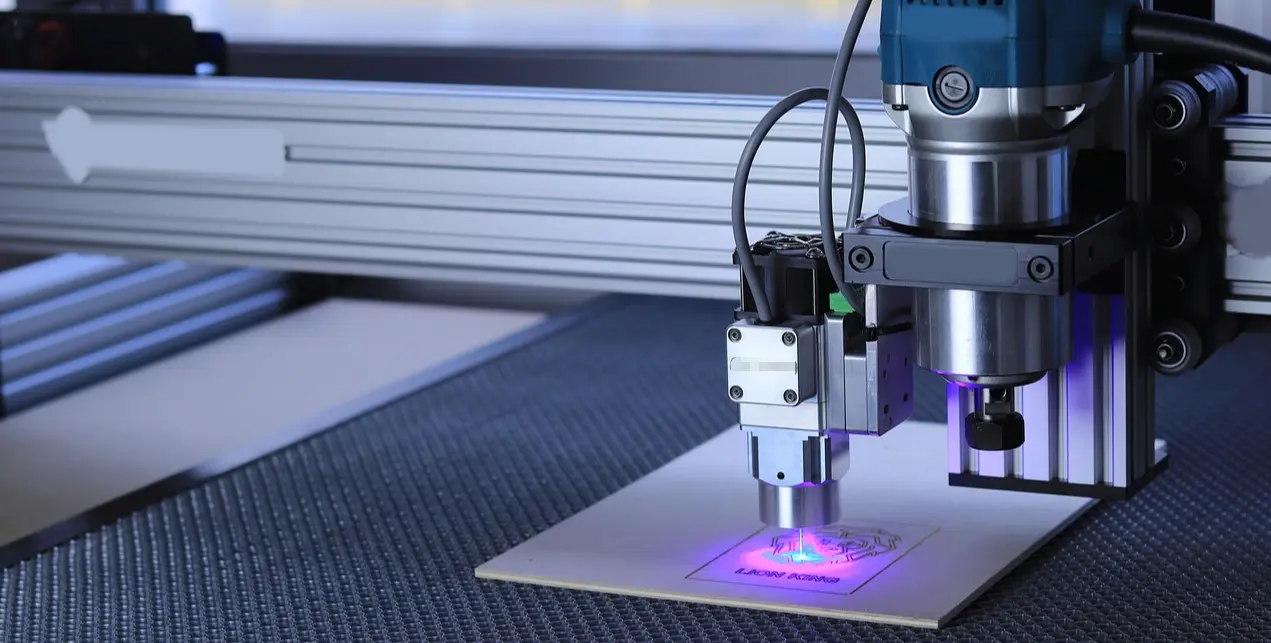
I still remember a workshop in Dongguan where a distributor had just taken delivery of a budget oscillating knife cutter. The owner showed me a pile of carbon fiber sheets with frayed edges and visible delamination. He had chosen the lowest quote he could find, assuming all carbon fiber cutting machines performed equally. Within a few months, the spindle drift caused by carbon fiber’s hardness pushed his material waste rate into unacceptable territory. The savings he thought he locked in evaporated through scrap costs and rework. That scene repeats across composite processing shops worldwide, and it always traces back to one mistake: buying on sticker price without verifying real cutting performance. [NEED_CITE: relationship between spindle rigidity and composite cut quality per industry testing standards]
Let me walk you through what actually matters when you evaluate a carbon fiber cutting machine factory direct price wholesale supplier, and how to separate genuine value from hidden cost traps.
What Specifications Matter Most for Carbon Fiber Cutting Machines?
Cutting precision, oscillating knife frequency, and gantry rigidity determine whether carbon fiber cuts cleanly or delaminates into scrap.
Carbon fiber reinforced polymer is unforgiving. Unlike cardboard or textile, it resists the blade aggressively, and any vibration or spindle wobble transfers directly into the cut edge. I have seen spec sheets listing impressive travel speeds, yet the machine produced fuzzy edges that required secondary finishing—completely defeating the purpose of digital die-less cutting.
Here is a specification comparison matrix that matters for composite processing:
| Specification Factor | Basic Configuration | Standard Industrial | High-Precision Composite |
|---|---|---|---|
| Cutting Precision | Self-reported | Verifiable ±0.1mm class | Certified per third-party test |
| Gantry Structure | Lightweight aluminum | Reinforced aluminum | Rigid steel-reinforced gantry |
| Oscillating Knife Frequency | Single frequency | Adjustable frequency | Frequency matched to material thickness |
| Tool Holder Rigidity | Standard collet | Precision collet | Anti-vibration damping holder |
| Edge Quality on Carbon Fiber | Noticeable fuzzing | Clean with minor dressing | Delamination-free mirror edge |
| Smart Nesting Software | None | Basic auto-nesting | Advanced nesting with kerf compensation |
[NEED_CITE: composite material cutting quality standards published by industry associations]
A European composite processor I worked with replaced their entry-level cutter after extended operation. The new machine featured a rigid gantry and adjustable oscillating frequency matched to their specific carbon fiber layup. Material waste dropped noticeably, and edge quality eliminated secondary grinding entirely. The initial price difference was modest compared to the cumulative scrap savings over a single quarter.
When you contact a carbon fiber cutting machine factory direct price wholesale supplier, ask for cutting test reports on your specific material grade. Spec sheet numbers mean nothing if the machine cannot hold tolerance on actual carbon fiber sheets.
How Does Factory Direct Pricing Actually Work?
Factory direct means eliminating distributor margins, but buyers must verify what is included—tooling, software licenses, shipping, and warranty terms vary significantly.
Many buyers assume "factory direct" automatically means the lowest possible cost. The reality is more nuanced. A genuine manufacturer absorbs costs that a trading company simply passes through, but the total cost of ownership extends well beyond the machine invoice.
Consider what typically sits inside a factory direct quote:
| Cost Component | Transparent Factory Quote | Hidden Cost Quote |
|---|---|---|
| Base Machine Price | Clearly itemized | Bundled and inflated |
| Oscillating Knife Tooling Set | Included or clearly priced | Charged separately later |
| Smart Nesting Software License | Perpetual license included | Subscription or upgrade fees |
| International Shipping | CIF or FOB clearly stated | Vague "shipping extra" |
| Warranty Coverage | Full coverage with duration | Limited or voided by conditions |
| Operator Training | On-site or remote included | Paid add-on |
[NEED_CITE: total cost of ownership methodology for industrial cutting equipment]
A machinery distributor in Southeast Asia once compared three quotes for a composite cutting line. The lowest headline price excluded the oscillating knife tooling set and required a separate software license fee. When all components were added, the mid-range quote from a transparent manufacturer actually offered better long-term value, plus it included a comprehensive warranty.
Working directly with a manufacturer like Realtop Machinery means you get clarity on every line item. Their factory direct model includes the oscillating knife tooling, smart nesting software with material-saving capabilities, and CE certification as standard—no surprise invoices after the machine arrives at your dock.
Always request a detailed breakdown before comparing carbon fiber cutting machine factory direct price wholesale supplier quotes. The headline number tells you very little.
Why Should You Request Free Sample Cutting Before Purchase?
Carbon fiber’s hardness exposes machine limitations quickly; sample cutting reveals real-world precision and edge quality that spec sheets cannot show.
This is the single most important step that buyers skip. I cannot count how many times a prospect told me they watched a YouTube video and felt confident about a machine, only to discover upon arrival that it could not handle their specific carbon fiber thickness without edge fraying.
Video demonstrations are curated. Sample cutting with your own material is not.
The process works like this: you ship your carbon fiber sheets to the manufacturer, they run cutting trials using your exact parameters, and they return the cut samples along with high-definition process videos. You inspect edge quality, dimensional accuracy, and whether any delamination occurred at corners or curves.
A Middle East automotive interior supplier needed to cut carbon fiber trim pieces with tight tolerance requirements. They sent material to Realtop Machinery for evaluation. The free sample cutting service revealed that their original thickness specification required a specific oscillating frequency adjustment and tool selection that the standard configuration did not include. Catching this before purchase prevented a costly mismatch.
[NEED_CITE: importance of material-specific cutting trials for composite quality assurance]
Sample cutting cycles typically complete within a matter of days, and acceptance criteria should include edge quality verification, dimensional measurement against your drawing tolerances, and visual inspection for any fiber pull-out or resin smearing. Any carbon fiber cutting machine factory direct price wholesale supplier who refuses sample cutting is hiding something.
Realtop Machinery provides free sample cutting with full demonstration videos, so you see exactly how their oscillating knife system handles your material before committing to a purchase.
What After-Sales Support Protects Your Investment?
Remote diagnostics, continuous technical support, and extended warranty coverage prevent production downtime when cutting high-value composite materials.
Carbon fiber is expensive material. When a cutting machine goes down during a production run, the cost is not just the repair bill—it is idle labor, delayed shipments, and potentially scrapped material already loaded on the table.
After-sales support quality varies dramatically between suppliers. Here is what separates reliable support from risky gaps:
| Support Element | Minimal Coverage | Comprehensive Coverage |
|---|---|---|
| Response Time | Business hours only | Continuous availability |
| Remote Diagnostics | None | Real-time remote access |
| Warranty Duration | One year standard | Extended multi-year coverage |
| Spare Parts Availability | Ordered per request | Pre-stocked critical components |
| Operator Training | Manual only | Live remote or on-site training |
[NEED_CITE: impact of equipment downtime on composite manufacturing profitability]
A North American composite fabricator experienced a spindle encoder fault during a critical aerospace component run. Their previous supplier required a two-week wait for a technician visit. With their new equipment from Realtop Machinery, remote diagnostics identified the issue within hours, a replacement part shipped immediately, and production resumed with minimal disruption. The three-year warranty and continuous online technical support made the difference between a minor interruption and a major financial loss.
When evaluating a carbon fiber cutting machine factory direct price wholesale supplier, ask specifically about their remote diagnostic capability, warranty duration, and spare parts logistics. These factors determine whether your investment stays productive or becomes a liability.
How to Compare Suppliers Without Getting Tricked by Low Quotes?
Compare total cost of ownership including material waste rate, tool replacement frequency, and software upgrade costs—not just machine price.
The lowest quote often becomes the most expensive purchase. I have watched buyers celebrate a low machine price, only to discover months later that poor edge quality forced them into secondary processing, or that frequent blade changes drove consumable costs through the roof.
Here is a framework for genuine comparison:
| Evaluation Factor | What to Ask | What to Verify |
|---|---|---|
| Material Waste Rate | Request nesting efficiency data | Run your own sample and measure scrap |
| Tool Life on Carbon Fiber | Ask for hour ratings on your material grade | Track blade changes during sample cutting |
| Software Capability | Confirm nesting and kerf compensation | Test with your actual CAD files |
| Precision Retention | Ask about long-term accuracy maintenance | Request customer references in composites |
| Voltage Compatibility | Confirm match to your local power standard | Verify nameplate before shipping |
[NEED_CITE: total cost of ownership calculation methods for CNC cutting equipment procurement]
A South American composite processor compared five quotes for a carbon fiber cutting line. The cheapest option required blade changes at a noticeably higher frequency and lacked advanced nesting software. When total cost of ownership was calculated over a full year—including consumables, material waste, and software—the second-lowest quote delivered substantially better economics with superior cut quality.
The right carbon fiber cutting machine factory direct price wholesale supplier will welcome detailed comparison and provide transparent data. They understand that informed buyers who evaluate total cost of ownership become long-term partners, not one-time purchasers.
Conclusion
Factory direct pricing only delivers real value when precision, support, and total cost of ownership align with your composite processing requirements.
Carbon fiber cutting demands equipment that maintains rigidity and precision under aggressive material resistance. Evaluating specifications, requesting sample cutting, and calculating true operational costs separates successful procurement from expensive mistakes. Choose your carbon fiber cutting machine factory direct price wholesale supplier based on verified performance and comprehensive support, not headline numbers.

