

Blog
JQ Laser Alternatives: CNC Oscillating Knife Cutter Manufacturer for Indonesia

JQ Laser Alternatives: CNC Oscillating Knife Cutter Manufacturer for Indonesia
Brand reputation alone does not guarantee suitability for specific materials like EPE or carbon fiber.
For Indonesian buyers frustrated by precision issues or after-sales delays with current equipment, the most reliable JQ Laser alternatives are specialized manufacturers offering CE-certified oscillating knife cutters with localized technical support and material-specific tooling. Prioritizing cold-cutting technology over thermal methods ensures clean edges on heat-sensitive composites, while verifying voltage compatibility (220V/380V) and remote diagnostic capabilities minimizes production downtime.
I still remember the humidity in the workshop when the shipment arrived. The client, a packaging manufacturer who had insisted on a well-known brand due to its reputation in the Middle East, was eager to start production. The machine looked impressive, but the reality on the factory floor was different. When we switched from standard corrugated board to EPE pearl cotton and carbon fiber pre-pregs, the results were disappointing. The edges were frayed, the precision drifted beyond the stated tolerance, and the thermal impact caused delamination in the composites. Calling for support meant waiting weeks for a response, leaving the production line idle. That experience highlighted a critical gap: a famous name does not always equate to the right solution for specific industrial needs in Southeast Asia. This realization drives my approach to evaluating JQ Laser alternatives, focusing on practical performance and responsive support rather than just brand recognition.
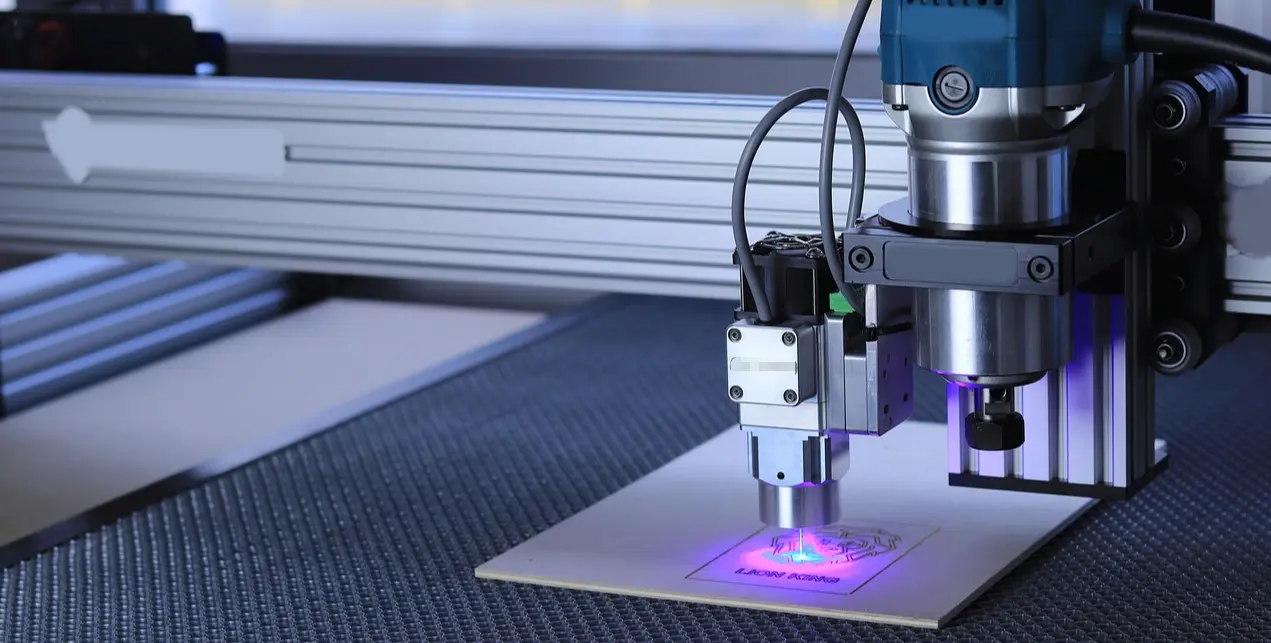
Transitioning from thermal to mechanical cutting requires understanding why the former fails in certain applications. Laser cutters rely on heat, which is effective for many materials but problematic for others. For industries dealing with foams, textiles, and composites, the heat can melt edges, release toxic fumes, or alter the material structure. Oscillating knife cutters, by contrast, use a high-frequency vibrating blade to slice through materials mechanically. This "cold cutting" process preserves the integrity of the material, ensuring clean, sealed edges without burning. [NEED_CITE: thermal vs mechanical cutting effects on polymer foams]
Why Did My JQ Laser Fail on Composites?
Thermal limitations of laser technology often lead to poor edge quality and material damage when processing sensitive composites.
The core issue lies in the physics of the cutting method. Lasers vaporize or melt material to create a cut. While this works for wood or acrylic, it is detrimental to materials like EPE foam, carbon fiber, and certain textiles. In my experience with a packaging studio, switching from a laser to an oscillating knife cutter reduced setup time noticeably and completely eliminated burnt edges on corrugated samples. The mechanical action of the oscillating knife allows for precise control without thermal distortion.
Consider an automotive interior supplier I consulted. They were struggling with delamination when cutting carbon fiber pre-pregs using thermal methods. The heat generated by the laser weakened the resin bond, causing layers to separate. By adopting an oscillating knife system, they achieved consistent precision and avoided these structural issues. The key is matching the tool to the material. For Indonesian manufacturers exporting to global markets, meeting strict quality standards requires tools that do not compromise material properties. [NEED_CITE: ISO standards for composite material cutting quality]
When evaluating JQ Laser alternatives, it is essential to look beyond the brand name and assess the cutting mechanism. Does the machine offer a high-frequency vibrating knife head? Can it handle the specific thickness and density of your materials? These questions are more important than the logo on the side of the machine. A specialized manufacturer will provide tooling options tailored to your needs, such as different knife shapes for foam versus fabric.
Another factor is safety. Laser cutting of certain plastics and composites can release hazardous fumes, requiring extensive ventilation systems. Oscillating knife cutters produce minimal dust and no toxic gases, creating a safer working environment. This is particularly relevant for factories in urban areas of Jakarta or Surabaya where environmental regulations are becoming stricter. [NEED_CITE: occupational safety standards for industrial cutting processes]
Key Specs to Compare When Seeking Alternatives
Focus on knife frequency, vacuum table strength, and software integration capabilities rather than just brand fame.
When comparing JQ Laser alternatives, a detailed specification review is crucial. Many buyers make the mistake of looking only at the maximum cutting speed. However, speed means nothing if the precision is lacking or if the machine cannot hold the material securely. Here is a qualitative comparison of key features to consider:
| Feature | Basic Generic Cutter | Specialized Oscillating Knife Solution |
|---|---|---|
| Cutting Precision | Standard tolerance, may vary with material | Micron-level precision, consistent across materials |
| Knife Frequency | Fixed or limited adjustment | High-frequency adjustable for different densities |
| Vacuum Table | Weak suction, material shifts | Strong zoned suction, holds lightweight materials firmly |
| Software Nesting | Basic layout, high waste | Smart nesting algorithms, significantly reduces material waste |
| Voltage Compatibility | Single voltage, may need transformer | Multi-voltage options (220V/380V) for local grid |
[NEED_CITE: importance of vacuum hold-down in flexible material cutting]
A foam processor I worked with faced constant complaints about "frayed edges" on their EPE products. The issue was not just the knife, but the vacuum table. The generic machine they used could not hold the lightweight foam flat, causing it to vibrate and tear during cutting. Upgrading to a machine with a stronger, zoned vacuum table resolved the issue immediately. The material stayed flat, allowing the oscillating knife to cut cleanly.
Software is another critical component. Efficient nesting software can save a significant amount of material cost over time. Look for systems that automatically arrange patterns to minimize waste. This is not just a convenience; it is a direct impact on your bottom line. [NEED_CITE: material efficiency in digital cutting processes]
Additionally, check the voltage compatibility. Indonesian industrial grids typically operate at 220V or 380V. Ensuring the machine is compatible with local standards avoids the need for expensive and potentially unreliable transformers. Some manufacturers offer machines specifically configured for Southeast Asian power supplies, which is a significant advantage.
Top Contenders for the Indonesian Market
Highlight manufacturers offering CE-certified, voltage-compatible machines with strong export records.
Finding the right JQ Laser alternatives involves identifying manufacturers who understand the specific needs of the Indonesian market. It is not just about selling a machine; it is about providing a solution that works in your local context. One notable example is Realtop Machinery, which has established a reputation for providing OEM-customized, CE-certified solutions.
What sets such manufacturers apart is their ability to offer free sample testing. Before committing to a purchase, you can send your specific materials—whether it is corrugated cardboard, leather, or carbon fiber—to the factory. They will cut samples and send them back to you, along with demonstration videos. This allows you to verify the quality and precision before making any financial commitment. It removes the guesswork and ensures the machine can handle your specific production requirements.
Another key aspect is customization. Every factory has unique needs. Some may require a larger cutting area for automotive interiors, while others need higher speed for garment production. Manufacturers that offer full OEM/ODM customization can tailor the machine to your exact specifications. This includes adjusting the table size, adding specific tool heads, or integrating with your existing software systems.
CE certification is non-negotiable for exporters and increasingly important for domestic buyers who value safety and quality. It ensures that the machine meets European safety standards, which are rigorous and widely respected. When evaluating JQ Laser alternatives, always ask for proof of CE certification. Do not accept vague assurances; request the actual certificate.
Furthermore, consider the manufacturer’s export record. A company with experience shipping to Southeast Asia will be familiar with the logistics, documentation, and potential challenges involved. They will know how to pack the machine to prevent damage during transit and how to handle customs clearance efficiently. This experience translates to a smoother purchasing process and fewer headaches for you.
Evaluating After-Sales Support & Lead Times
Importance of remote diagnostics and spare parts availability in reducing downtime.
The initial purchase price is only part of the total cost of ownership. Downtime due to machine failure can be far more expensive than the machine itself. This is why after-sales support is a critical factor when choosing JQ Laser alternatives. In my early career, I learned this lesson the hard way when a breakdown halted production for weeks due to slow support responses.
Modern manufacturers offer 24/7 online technical support and remote diagnostics. This means that if a problem arises, a technician can connect to the machine remotely to diagnose the issue. Often, problems can be resolved with software adjustments or simple instructions, avoiding the need for a site visit. This capability is invaluable for minimizing downtime. [NEED_CITE: impact of remote diagnostics on industrial equipment uptime]
Spare parts availability is equally important. Ask the manufacturer about their spare parts inventory and shipping times. Do they keep common parts in stock? Can they ship quickly to Indonesia? A manufacturer with a robust supply chain will ensure that you get the parts you need when you need them. Some even offer free international shipping for spare parts during the warranty period, which is a significant benefit.
Training is another aspect of support. Ensure that the manufacturer provides free operator training. This can be done online or on-site. Proper training ensures that your staff can operate the machine efficiently and perform basic maintenance, preventing many common issues. A well-trained team is your first line of defense against downtime.
Lead times are also worth considering. While custom machines may take longer to produce, standard models should have reasonable delivery schedules. Clarify the expected lead time before placing your order. A transparent manufacturer will give you a realistic timeline and keep you updated throughout the production and shipping process.
Conclusion
Choosing the right cutting technology is about matching specific material needs with reliable support.
For Indonesian buyers, moving beyond brand name recognition to evaluate technical suitability and support infrastructure is essential. Oscillating knife cutters offer superior performance for heat-sensitive materials like EPE and carbon fiber, providing clean edges and preserving material integrity. By focusing on CE certification, voltage compatibility, and responsive after-sales service, manufacturers can secure a solution that enhances productivity and reduces long-term costs. Exploring JQ Laser alternatives with these criteria in mind ensures a smarter investment for your production facility.

