

CNC Fabric Cutter for Auto Roller Blind – Technical Guide
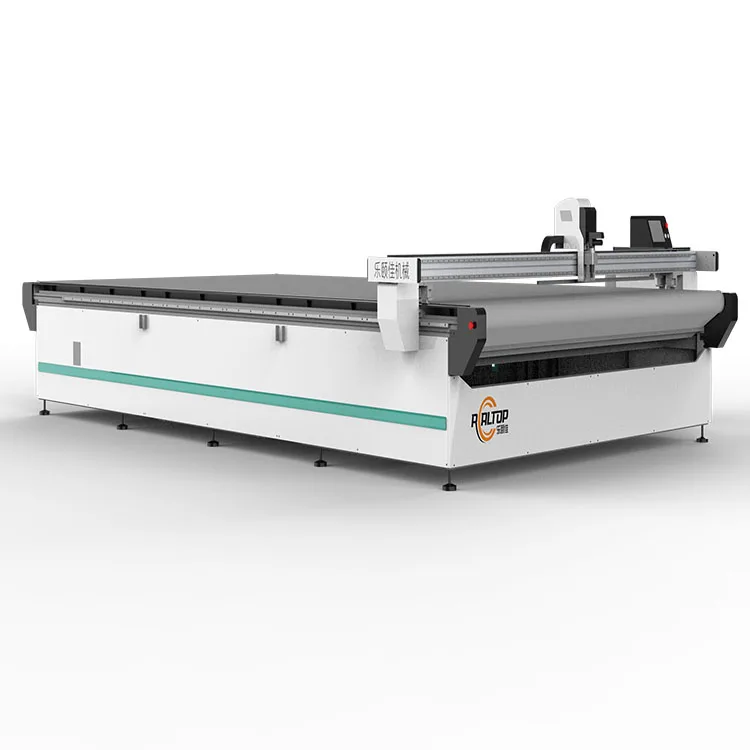
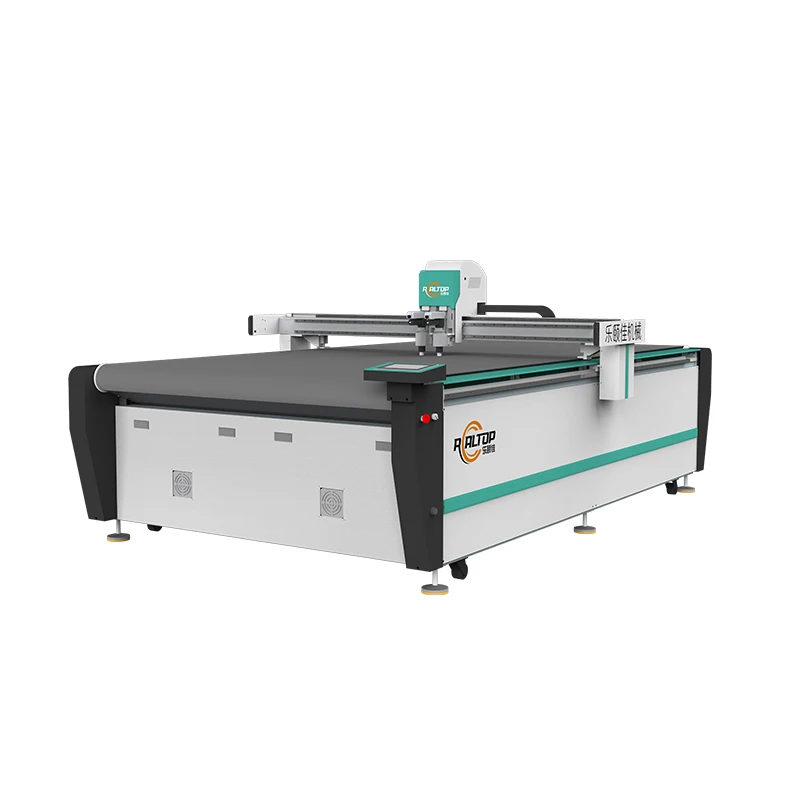
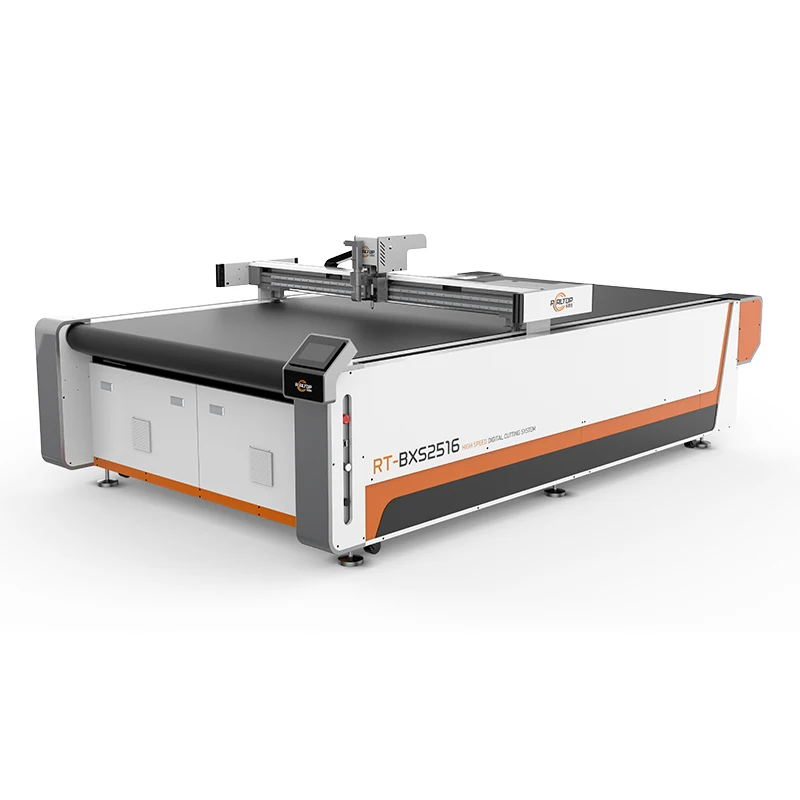
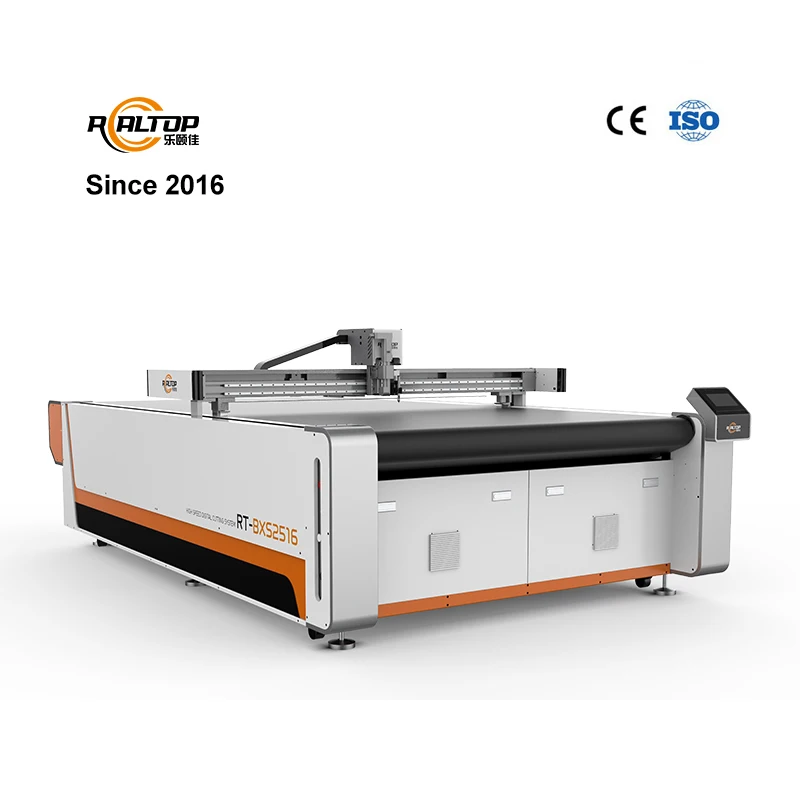
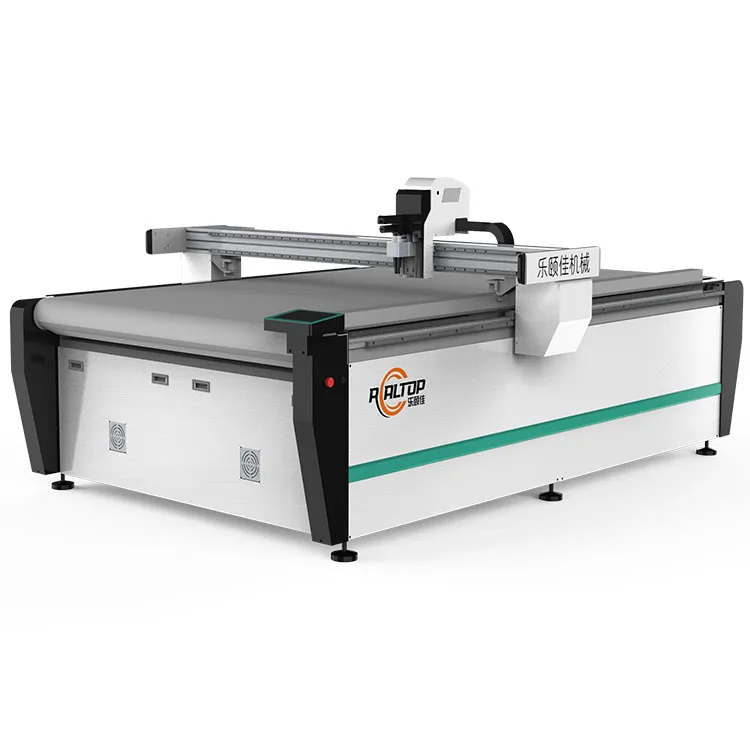
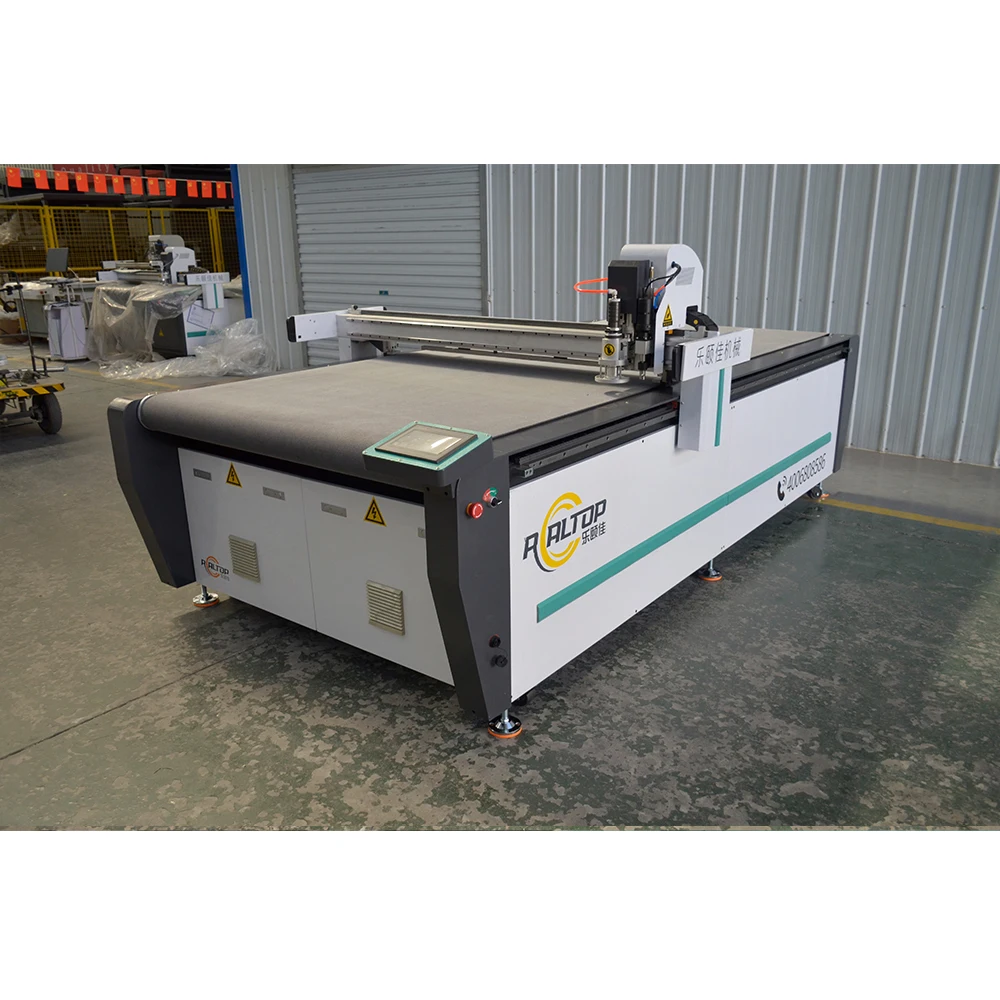
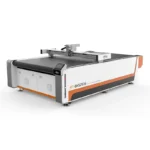
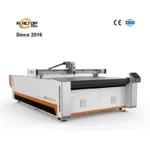
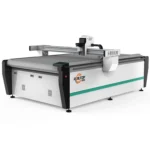
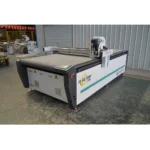
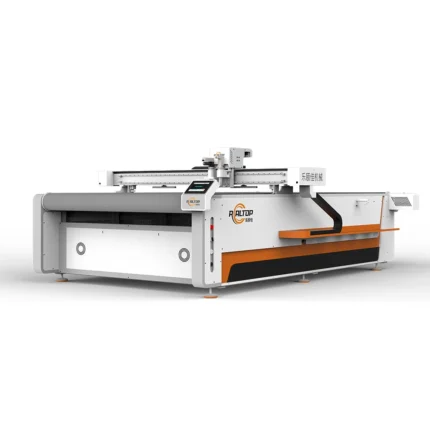
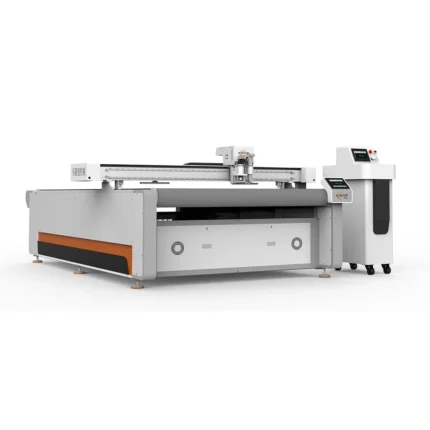
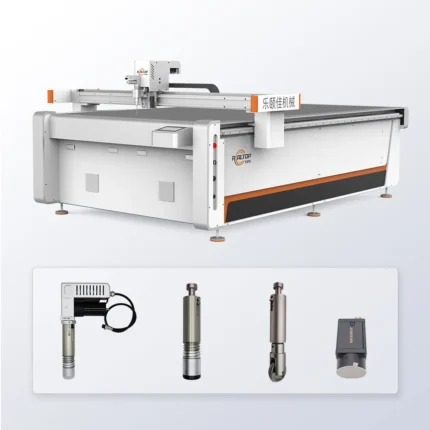
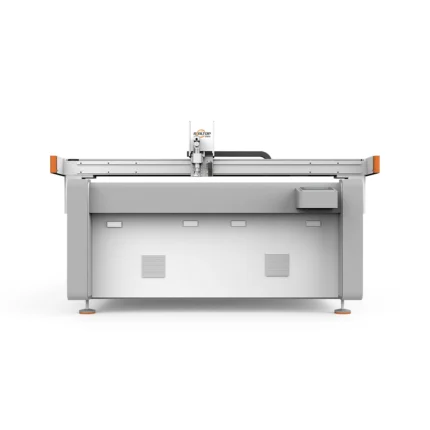
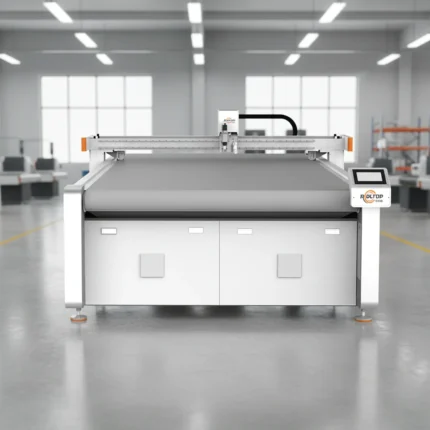
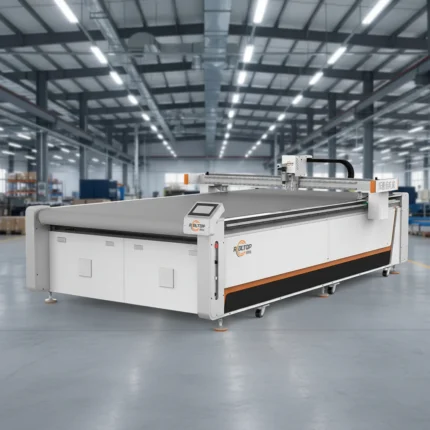
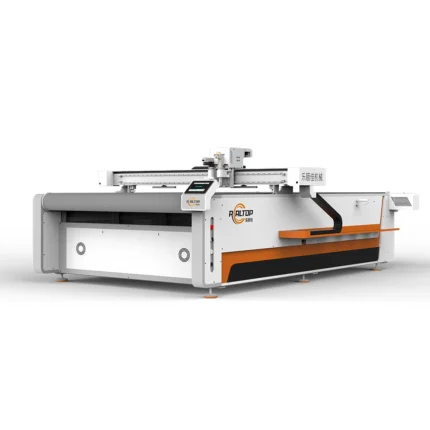
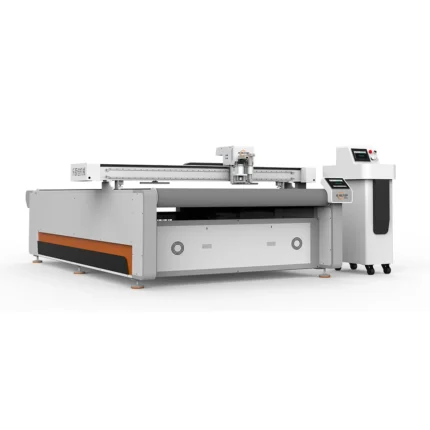
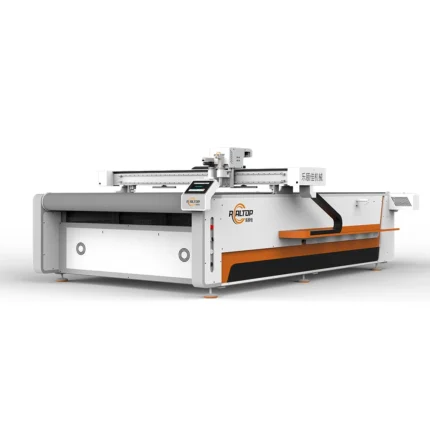
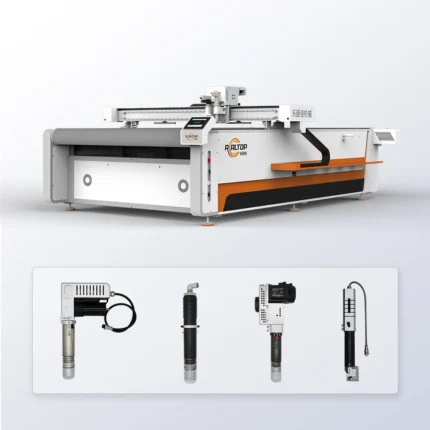
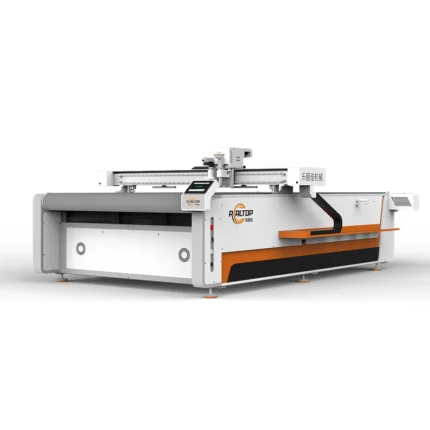
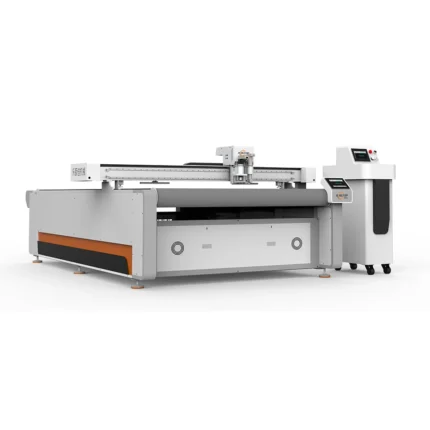
RT-D2516/RT-S2516 CNC Oscillating Knife Cutting Machine, 1600×2500mm, 7.5kW Vacuum — configured for fabric, leather, foam and composite materials where blade cutting delivers straight, burr-free edges without thermal damage. Multiple tool heads (oscillating knife, drag knife, creasing wheel, circular knife) match material thickness and edge quality requirements, while CCD visual positioning tracks printed contours at production speed. Sample cutting on buyer’s own material confirms edge quality and cutting depth before commitment.
- Magnesium-aluminum alloy vacuum table with zoned adsorption and Hiwin linear guide for ≤0.1mm repeatability
- Auto typesetting software supports PLT, DXF, AI file formats; 380V±10% with multi-language touch screen control
- Configuration specified per material and production volume — tool head, table zoning, and CCD option verified before order
Material-Specific Tool Head Matching — the RT-D2516/RT-S2516 ships with oscillating, pneumatic, drag and circular knife options selected against your actual fabric stack rather than a single default blade.
Technical Specifications
| Parameter | Value |
|---|---|
| Model | RT-D2516/RT-S2516 |
| Product Type | CNC Oscillating Knife Cutting Machine |
| Working Area | 1600 × 2500 mm |
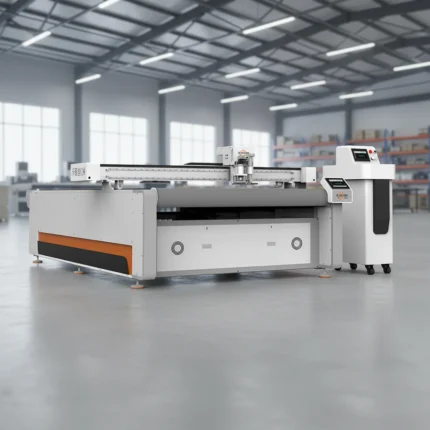
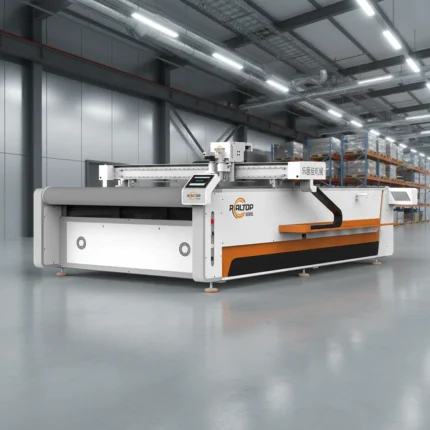
| Machine Size | 3450 × 2300 × 1250 mm |
| Rated Power | 9 kW |
| Vacuum Pump | 7.5 kW |
| Table Type | Flat working table / Auto feeding table |
| Tool Head Options | Swiss imported knife (vibration full/half cutting, cursor location); oscillating knife, pneumatic knife, high-power vibrating knife, circular knife, V cutting knife, drag knife, creasing wheel, dotted line knife, punching, brush |
| Visual Positioning | Small CCD camera mark point positioning, panoramic camera recognition positioning, projection positioning |
| Translational Velocity | 800 – 2000 mm/s |
| Cutting Speed | 200 – 800 mm/s (varies by material) |
| Cutting Thickness | ≤ 100 mm (varies with material) (source value — verify against manufacturer catalog) |
| Repeated Accuracy | ≤ 0.1 mm |
| Transmission System | Digital servo motor, linear guide, synchronous belt, ball screw |
| Servo Motor Option | Delta (China) or Panasonic (Japan) |
| Linear Guide | Taiwan Hiwin rail |
| Conveyor Belt | Germany imported |
| Vacuum Table Surface | Magnesium-aluminum alloy with fluorocarbon PVDF powder spraying, anodic oxidation, hard oxidation; integrated aviation aluminum shell with built-in silencer sponge |
| Voltage | 380 V ± 10 % |
| Instruction System | HP-GL compatible format |
| Software | Auto typesetting; supports PLT, DXF, AI |
| Control Panel | Touch screen, multiple language supported |
| Safety Device | Infrared sensors (obstacle detection, anti-collision on both sides of beam, emergency stop with in-situ resume) |
Application Suitability
| Application | Material or Output |
|---|---|
| Roller blinds and window coverings | PVC-coated blackout fabric, solar screen mesh, plain polyester |
| Garment and footwear cutting | Woven and knit fabric, genuine and synthetic leather, shoe uppers |
| Automotive interior trim | Sponge composite leather, PU, EVA, headliner fabric |
| Soft furnishings and upholstery | Sofa fabric, curtain textile, non-woven carpet |
| Packaging sample making | Cardboard, corrugated board, sticker film |
When a "Universal Cutter" Leaves Burnt Edges on the Line
Blade-cutting avoids the thermal damage that a laser process inflicts on coated and layered textiles.
I once watched a production manager in Ho Chi Minh City feed PVC-coated blackout cloth into a CO2 beam expecting the same clean edge they had on uncoated polyester. The heat melted the coating into a yellow bead that cracked when the blind was rolled. Two days of downtime followed while they sourced a knife cutting table. A CNC fabric cutter for auto roller blind work avoids that thermal problem entirely because the blade severs fibers mechanically, leaving the coating intact and the edge flexible enough to roll and unroll without cracking [NEED_CITE: thermal damage to PVC-coated textiles during laser cutting].
Tool Head Selection by Fabric Weight and Coating
Choosing the correct blade is where most roller blind lines either succeed or waste material. A high-frequency oscillating knife slices cleanly through single-layer solar screen mesh without fraying the warp threads, while a pneumatic knife handles the stiffness of multi-layer blackout cloth that would otherwise deflect a standard vibrating blade. For uncoated sheers and light linens, a circular knife pulls the fabric through at the upper translational speed range without lifting the ply. The tool head is swapped at the machine, not decided at the quoting stage.
CCD Positioning for Printed Contour Cuts
When roller blinds carry printed motifs or custom graphics, the cut path must follow the print rather than the sheet edge. The small CCD camera registers mark points printed along the border, while the panoramic camera option scans the entire sheet for distortion compensation at production speed. This matters because stretch during printing shifts the graphic by several millimetres across a 2.5-metre web, and a fixed coordinate file will cut through the middle of a logo [NEED_CITE: registration tolerance in wide-format digital textile printing].
Reading the Spec Sheet Against Your Actual Fabric
The 200 – 800 mm/s cutting speed range is material-dependent, not a fixed throughput claim. A single layer of open-weave solar mesh cuts near the upper end, while three plies of PVC-coated blackout require the lower speed band plus reduced oscillation frequency to prevent edge fuzzing. The 7.5 kW vacuum pump paired with the magnesium-aluminum table provides zoned adsorption; smaller blind panels and valance pieces stay flat without the entire table drawing air. Repeatability of ≤ 0.1 mm across the Hiwin linear guide and ball screw transmission keeps nested blind widths within tolerance so that the bottom rail slides in without forcing.
The Cost of Specifying on Working Area Alone
Buyers who select a cutter solely by the 1600 × 2500 mm bed size often discover later that their coated fabric requires a different tool head than the one included in the base quote. Ragged edges on blackout cloth mean every blind panel is rejected at the hemming station, and crushed foam interlinings show visible dents through the finished product. The re-order for the correct knife assembly and the recalibration downtime land on the production schedule weeks after the machine is installed [NEED_CITE: hidden tooling costs in CNC knife cutting adoption].
Why Source This Configuration Here
Realtop builds both knife and laser platforms in-house, so the cutting method is matched to the material rather than forced into whichever technology the supplier happens to stock. Tool head and table zoning are specified per fabric type and daily volume before the order is confirmed. Sample cutting on the buyer’s own PVC-coated or uncoated stock runs before commitment, producing an edge report you can hold against your hemming standard. Voltage, plug type and control panel language are locked in at the contract stage so the machine arrives ready for the local 380 V supply and your operator’s preferred language.
Documentation & Verification
- Machine specification sheet listing every selected tool head and table zone configuration
- Electrical schematic with voltage and plug type confirmed against your facility supply
- Sample cutting report produced on your actual roller blind fabric before order confirmation
- Software licence note with PLT, DXF and AI file format compatibility verified against your nesting workflow
- Factory test record showing repeated accuracy measurement across the full 2500 mm stroke
Installation, Commissioning & Support
- Floor plan for the 3450 × 2300 mm footprint with clearance for the auto-feeding conveyor infeed
- Dedicated 380 V ± 10 % circuit rated for the combined 9 kW machine and 7.5 kW vacuum pump load
- Assembly of the split-frame bed and beam on site with Hiwin rail alignment verification
- First-run parameter tuning on your specific fabric weight and coating at the agreed cutting speed
- Operator training on tool head changes, CCD mark point calibration and nesting software workflow
- Spare blade and belt inventory list matched to your projected monthly running hours
What to Share with Your Enquiry
Send a swatch of your heaviest coated blackout fabric along with the lightest solar mesh, the target daily panel count, and the blind width range you run most often. Confirm your workshop voltage and frequency, the language your operators need on the touch screen, and whether your existing nesting software exports PLT, DXF or AI. If your line includes an upstream printer, note the registration mark format so the CCD system is configured before dispatch.
Frequently Asked Questions
Q: How do I choose between oscillating knife, pneumatic knife and circular knife for my roller blind fabrics?
A: The choice depends on fabric weight, coating and ply count. Oscillating knife suits single-layer solar mesh and mid-weight polyester. Pneumatic knife handles stiff PVC-coated blackout and multi-layer stacks that deflect a standard blade. Circular knife works best on light uncoated sheers at higher travel speeds. Request sample cutting on your actual stock before committing to one configuration.
Q: Can the CCD system keep up with my daily panel volume on printed blinds?
A: The small CCD camera tracks printed mark points at standard cutting speed, while the panoramic camera option scans the full sheet for distortion compensation. Throughput depends on mark density and the complexity of the contour path. Share your print file and daily panel target so the positioning mode can be matched to your workflow before the machine ships.
Q: Will small blind panels and valance pieces stay flat during high-speed cutting?
A: The 7.5 kW vacuum pump feeds a zoned magnesium-aluminum table, so you activate only the sections under the workpiece. This keeps narrow valance strips and small offcuts from lifting without drawing air across the entire 1600 × 2500 mm bed. Zone layout is confirmed during configuration based on your most common panel dimensions.
Q: Does the software import my existing DXF and AI nesting files without rework?
A: The control system accepts PLT, DXF and AI formats with auto typesetting built in. Compatibility is verified against a sample file from your current nesting workflow before the order is finalized. If your files use a proprietary layer structure or custom hatch pattern, send them during the enquiry stage so the import filter is adjusted in advance.
Q: What voltage and language settings are confirmed before shipment?
A: The standard supply is 380 V ± 10 %, and the touch screen supports English, Russian, Italian and Chinese with other languages available on request. Voltage, plug type, frequency and control language are written into the contract so the machine arrives matched to your workshop supply and operator preference without on-site rewiring or reconfiguration.


Related products
2026 Automatic PVC Tarpaulin Cutter Machine
Product Introduction
High-performance Automatic PVC Tarpaulin Cutter Machine 2026, ideal for precise and efficient cutting of PVC tarpaulin materials, designed for industrial manufacturing needs with reliable operation and user-friendly control.Product Parameters
| Model | 2026 |
| Type | Automatic PVC Tarpaulin Cutter |
| Application | PVC Tarpaulin Cutting |
| Feature | Precise & Efficient Cutting |
2026 Carbon Fiber Cloth Cutting Machine – China Manufacturer
Product Introduction
Fabric Sample Cutter Pillow Machine ¨C 2026 Carbon Fiber Cloth Cutting Machine, ideal for precise cutting of carbon fiber cloth and fabric samples, suitable for pillow production and related textile applications.Product Parameters
| Name | Fabric Sample Cutter Pillow Machine |
| Model | 2026 |
| Material | Carbon Fiber Cloth |
| Application | Pillow Fabric Cutting |
Automatic Multi-Layer Vibrating Knife Cutter 2026
Product Introduction
Automatic Multi-Layer Vibrating Knife Cutter 2026, ideal for precise cutting of various materials with multi-layer processing capability, enhancing production efficiency.
Key Specifications
| Type | Automatic Vibrating Knife Cutter |
| Layer Capacity | Multi-Layer |
| Model | 2026 |
| Function | Precision Cutting |
CNC Oscillating Knife Cutting Machine 2026 3000¡Á1600mm High-Speed
Product Parameters
| Model | CNC Oscillating Knife Cutting Machine 2026 |
| Working Area | 3000mm¡Á1600mm |
| Cutting Type | Oscillating Knife |
| Application | Fabric Cutting |
| Feature | High-Speed |
Introduction
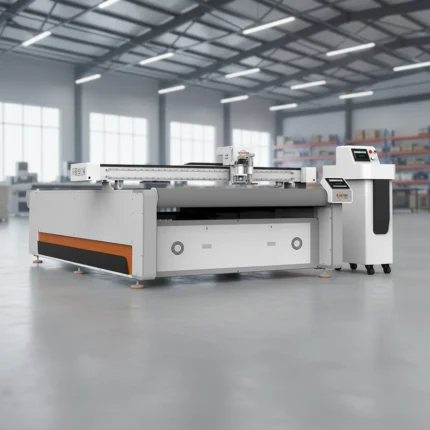
High-performance CNC oscillating knife cutting machine with 3000mm¡Á1600mm working area, ideal for high-speed fabric cutting. Precision and efficiency for professional textile processing needs.
Jinan Realtop CNC Oscillating Knife Cutter 2026
Product Introduction
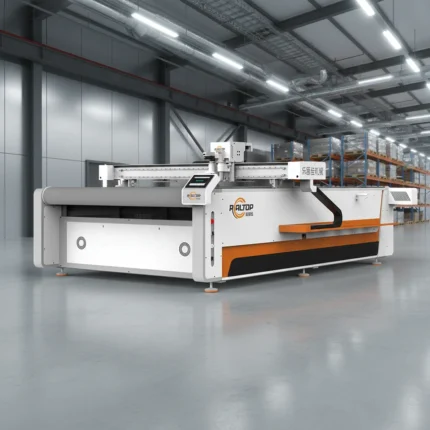
Jinan Realtop CNC Oscillating Knife Cutter 2026, a precision cutting solution from China's leading welding & cutting equipment manufacturer, ideal for efficient material processing with advanced CNC technology.
Key Specifications
| Model | 2026 |
| Type | CNC Oscillating Knife Cutter |
| Manufacturer | Jinan Realtop |
商品评价
There are no reviews yet.