

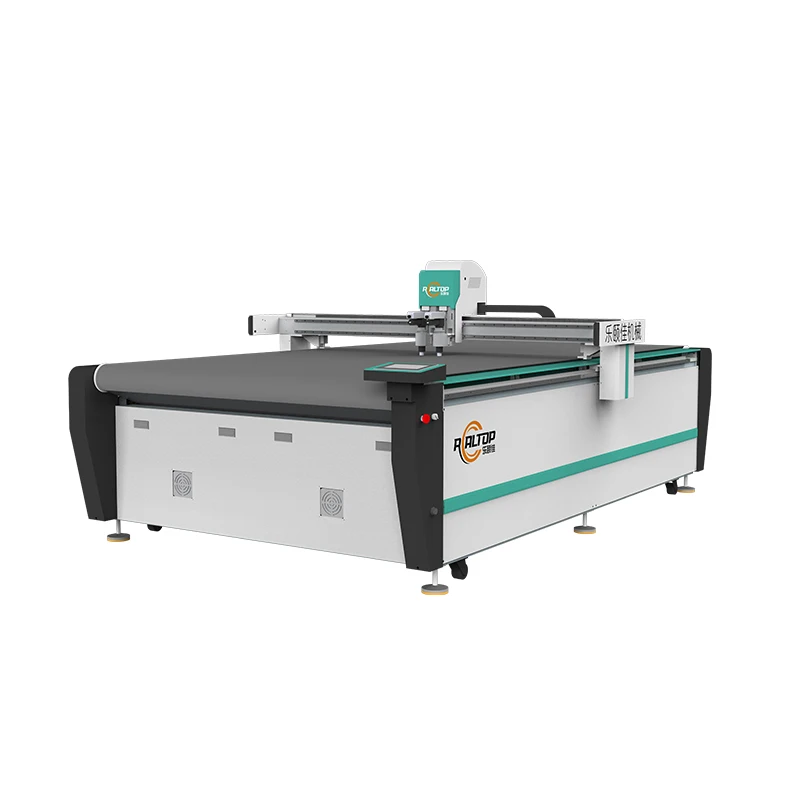
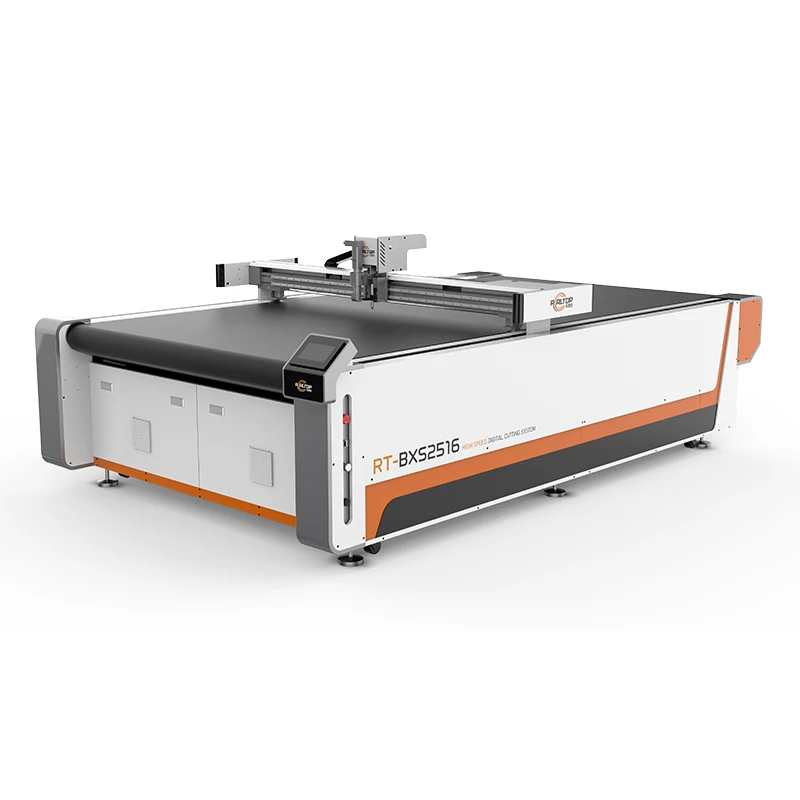
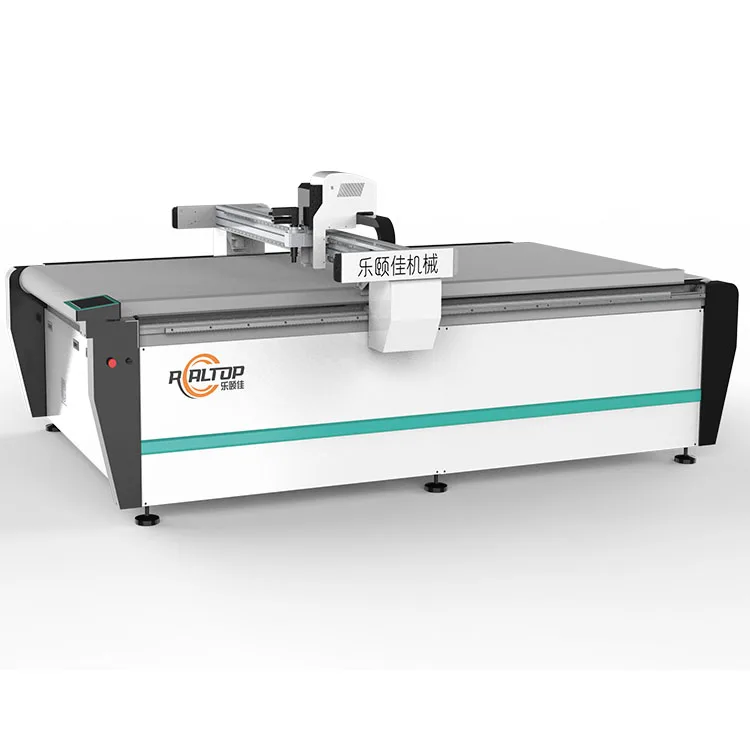
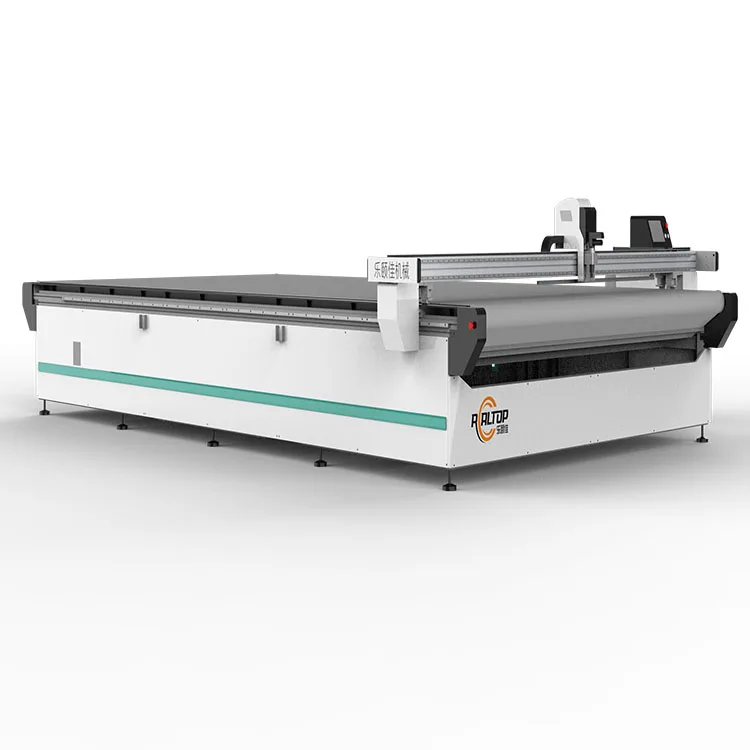
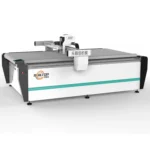
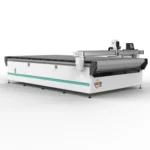
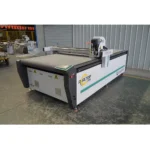
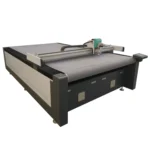

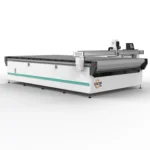
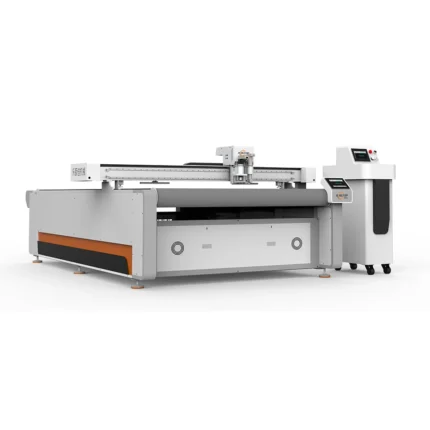
Industrial Application CNC Digital Clothing Fabric Auto Cut Machine
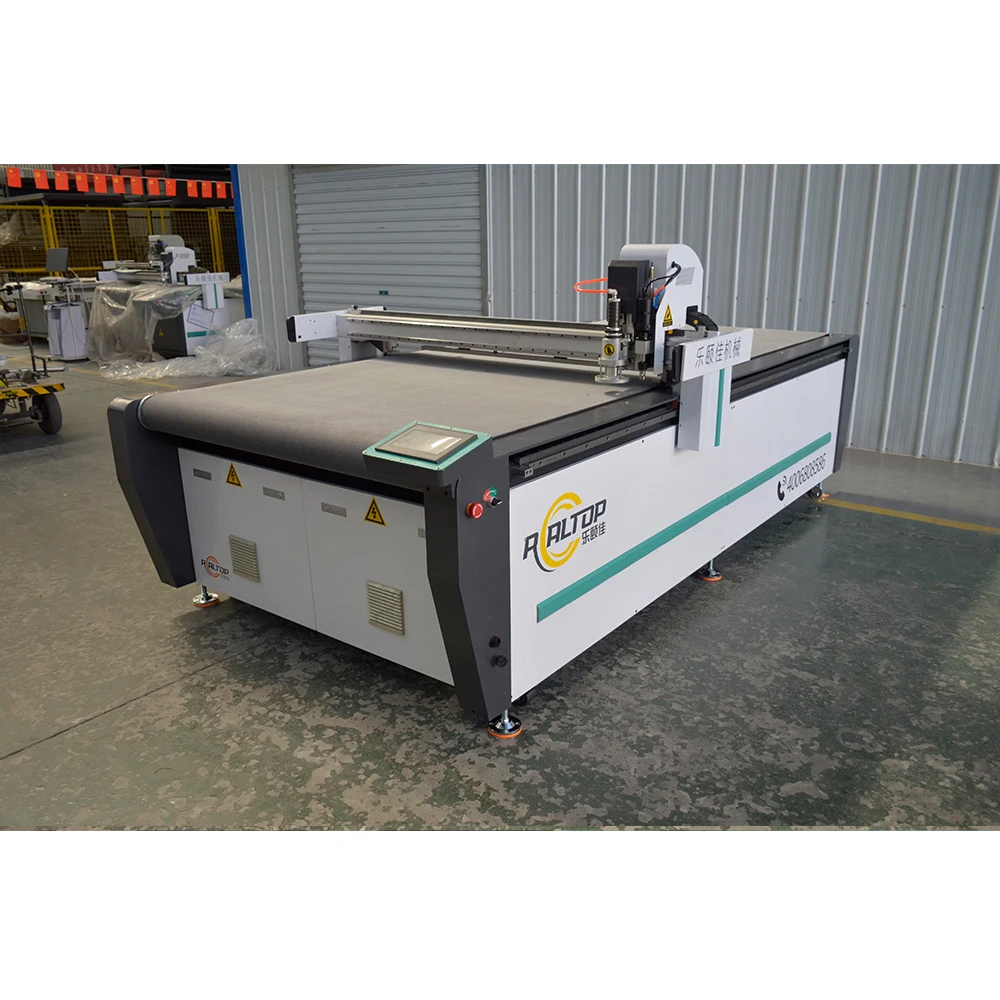
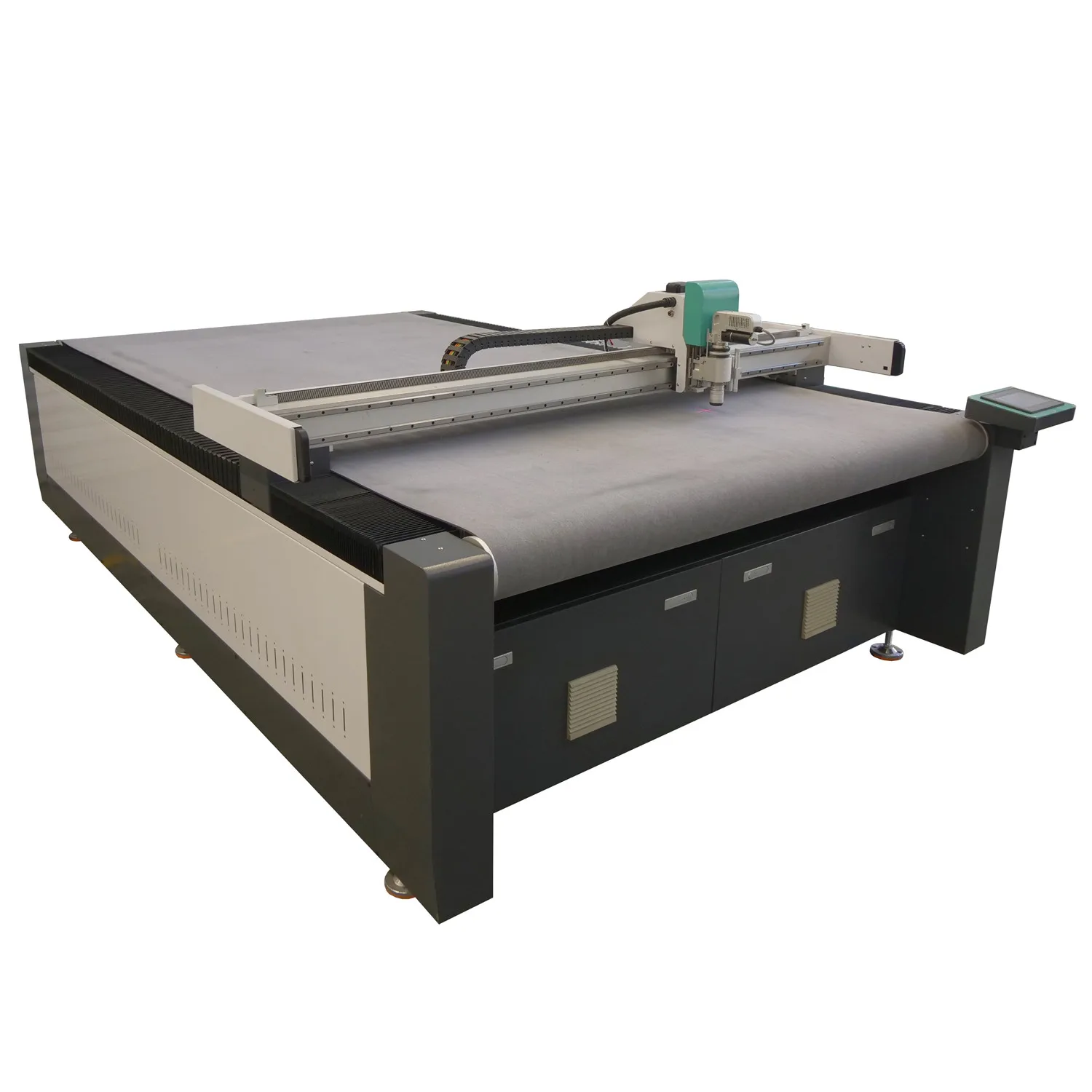
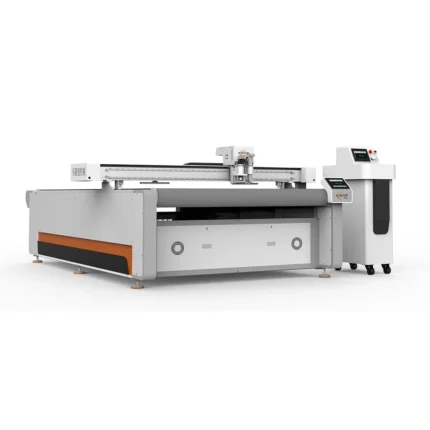
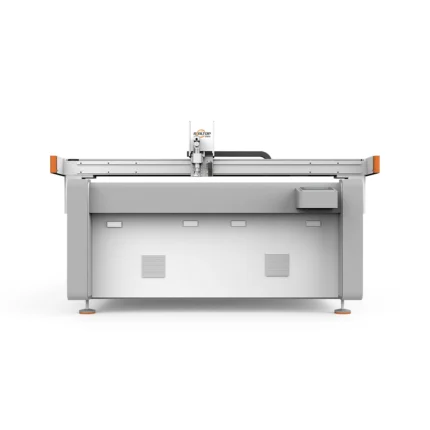
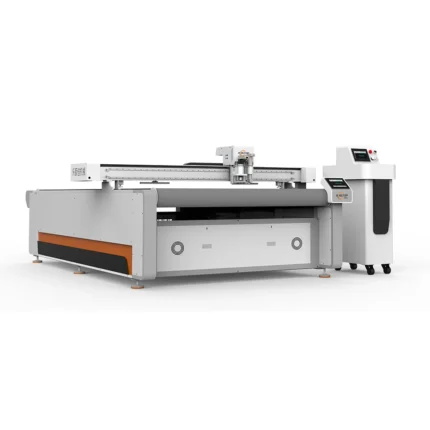
RT-D2516/RT-S2516 CNC Oscillating Knife Cutting Machine, 1600×2500mm Working Area, 9kW, ≤100mm Thickness — engineered for fabric, leather and composite material processors. CO2 laser versus oscillating knife: blade cutting eliminates burnt edges and discoloration on PU, EVA and multi-layer textile stacks. Magnesium-aluminum vacuum table with PVDF coating and zoned suction prevents small-part lift at high speed.
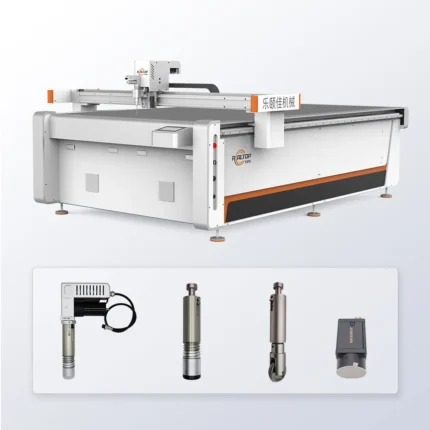
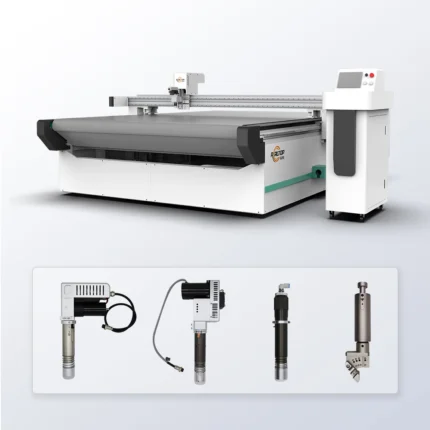
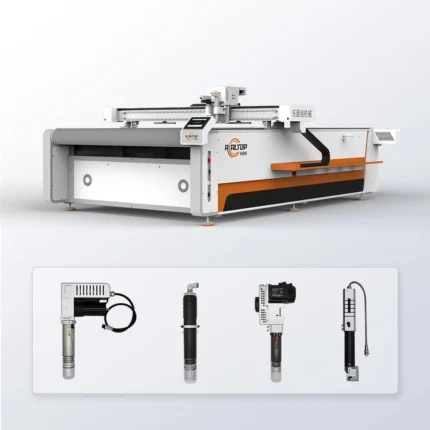
- Multifunctional head: oscillating, pneumatic, circular, V-cut and drag knife matched to material
- CCD and panoramic camera positioning for printed contour recognition
- Software supports PLT, DXF, AI with auto typesetting and nesting
Sample cutting on your own material confirms edge quality, tool head selection and real throughput before order commitment.
Custom Tool Head Configuration — The oscillating knife, pneumatic knife, and drag knife heads are matched to your specific fabric stack and composite leather density, confirmed by sample cutting before build.
Technical Specifications
| Parameter | Value |
|---|---|
| Model | RT-D2516/RT-S2516 |
| Product Type | CNC Oscillating Knife Cutting Machine |
| Working Area | 1600 × 2500 mm |
| Machine Size | 3450 × 2300 × 1250 mm |
| Rated Power | 9 kW |
| Cutting Speed | 200–800 mm/s (depends on material) |
| Translational Velocity | 800–2000 mm/s |
| Repeated Accuracy | ≤0.1 mm |
| Table Type | Flat working table / Auto feeding table (selectable) |
| Multifunctional Head | Swiss imported knife (vibration full cut, half cut, cursor location); options: oscillating, pneumatic, high-power vibrating, circular, V-cut, drag, creasing, dotted line, punching, brush |
| Transmission System | Digital servo motor, linear guide, synchronous belt, ball screw (imported) |
| Servo Motor Options | Delta or Panasonic (IP67 waterproof) |
| Linear Guide | Taiwan Hiwin rail |
| Vacuum Pump | 7.5 kW, integrated aviation aluminum shell with built-in silencer |
| Vacuum Table | Magnesium-aluminum alloy, PVDF powder spraying, anodic oxidation |
| Conveyor Belt | Germany imported (on auto feeding variant) |
| Visual Positioning | Small CCD mark point / Panoramic camera / Projection (selectable) |
| Control Panel | Touch screen, multi-language |
| Software | Auto typesetting; supports PLT, DXF, AI |
| Voltage | 380V ±10% |
| Safety Device | Infrared sensors, anti-collision, emergency stop |
| Instruction System | HP-GL compatible format |
| Cutting Thickness | Up to 100 mm (varies with material) |
| Certification | CE |
Application Suitability
| Application | Material or Output |
|---|---|
| Garment pattern cutting | Multi-layer cotton, polyester, and poly-spandex blends stacked to 50–80 mm |
| Footwear component production | Sponge composite leather, PU, EVA, shoe upper materials |
| Automotive interior trimming | Carbon fiber prepreg, synthetic leather, gasket rubber |
| Soft furnishing fabrication | Thick foam, PU cushioning, XPE padding, carpet |
| Sealing and gasket manufacturing | PTFE, ETFE, silicone, rubber sheet, fiberglass |
| Packaging and sample making | Corrugated cardboard, foam board, sticker film |
Why Quoted Laser Power Misses the Mark on Thick Textiles
A 150W CO2 tube rated at peak output often delivers less than half that continuously, leaving thick sponge composite leather partially cut and requiring secondary trimming.
When buyers compare a laser cutter against a CNC oscillating knife cutting machine for fabric and leather, the quoted wattage becomes the deciding number. In practice, continuous cutting capacity depends on focal depth, assist gas flow, and thermal dissipation — factors that determine whether a 60 mm stack of poly-spandex actually separates cleanly or fuses at the edges. Blade cutting sidesteps the thermal problem entirely. [NEED_CITE: thermal degradation thresholds on synthetic textile blends during CO2 laser processing]
I watched a workshop in South Asia try to push a CO2 laser through layered EVA foam for shoe soles. The edges sealed, which looks neat, but the heat-affected zone left a hardened ridge that cracked during stitching. Switching to a vibrating knife removed the problem at the source.
Blade Versus Beam: Where the Oscillating Knife Wins on Synthetics
The oscillating knife cuts through material by mechanical shearing, so edge quality stays consistent regardless of fiber composition. On PU-coated polyester and PTFE gasket sheets, the blade leaves a clean, unfused edge ready for sewing or adhesive bonding. Laser cutting, by contrast, melts and vaporizes the fiber path, which seals synthetic edges but also introduces discoloration and airborne particulates that demand extraction infrastructure. For garment producers who need breathable, unsealed seams, the CNC oscillating knife cutting machine for fabric and leather is the default choice.
Vacuum Zoning and the Small-Piece Problem
When cutting dozens of collar or cuff patterns from a single fabric lay, small pieces can lift off the table during the knife’s return stroke. The magnesium-aluminum alloy vacuum table on this system uses zoned suction areas that can be activated selectively, holding small garment pieces flat without wasting pump capacity on empty zones. The PVDF coating resists adhesive residue from sticker and film materials. Without proper zoning, a 7.5 kW pump running full-table suction still fails to grip a 40 mm collar piece because the surrounding perforations bleed air. [NEED_CITE: vacuum hold-down force requirements for small-part CNC cutting operations]
Reading the Spec Sheet for Production Reality
The Hiwin linear rails and imported ball screws deliver the ≤0.1 mm repeated accuracy needed for pattern-matching work where a half-millimeter drift ruins a nested layout. The Delta or Panasonic IP67 servo motors maintain positional integrity in humid or dusty textile environments where open stepper motors lose steps. Cutting speed ranges from 200 to 800 mm/s depending on material resistance — a 10 mm foam sheet allows near-maximum travel, while a 60 mm sponge composite leather stack pulls the head back to the lower range. The auto typesetting software accepts PLT, DXF, and AI files directly, so a buyer’s existing nesting workflow transfers without format conversion. The HP-GL compatible instruction system means most industry-standard CAD outputs are readable without middleware.
The Hidden Cost of Skipping the Sample Cut
I have seen garment factories accept a machine based on working area and price, then discover on day one that the standard oscillating knife drags through their specific poly-spandex blend at half the quoted speed. The tool head was specified for cotton, and the pressure and frequency parameters needed a complete remap. Without a sample cutting report on the buyer’s actual material, the cutting speed, edge quality, and daily output remain assumptions. [NEED_CITE: material-specific cutting parameter validation before machine commissioning]
Why Source This Machine Here
In-house design covers both knife and laser cutting, so you choose the process that fits the material rather than forcing one method. The tool head and table configuration are specified per material type and daily volume, not sold as a universal package. CCD camera positioning options — mark point, panoramic, or projection — are confirmed against your printed contour requirements before the order is locked. Software compatibility is verified: your PLT, DXF, or AI files are tested in the typesetting system to confirm nesting works as expected. Voltage, plug type, and control panel language are documented in the electrical schematic before production begins, avoiding on-site rewiring. Sample cutting on your material is performed and recorded, giving you a cutting report with speed, edge, and tool head data before commitment.
Documentation & Verification
- Machine specification sheet listing every selected tool head and table zone configuration
- Electrical schematic confirming 380V ±10% wiring, plug type, and breaker rating for your facility
- Sample cutting report on your fabric or composite material with speed and edge quality data
- Software licence and file format note confirming PLT, DXF, AI import and nesting test results
- Factory test record with repeated accuracy measurement and servo tuning log before dispatch
- CE declaration documentation for customs and regulatory compliance in your market
Installation, Commissioning & Support
- 3450 × 2300 mm footprint requires a level concrete floor with clearance for auto-feeding conveyor extension
- Dedicated 380V circuit with breaker sized to the 9 kW rated power plus 7.5 kW vacuum pump draw
- Machine ships with table and gantry separated; reassembly and rail alignment handled by technician on site
- First-run parameter mapping on your material: knife frequency, pressure, and speed tuned to actual stock
- Touch screen control language set to your operator preference — English, Russian, Italian, Chinese, or custom
- Spare parts list covers Swiss knife blades, vacuum seals, and belt sections with recommended stock levels
What to Share Before Requesting a Quote
Send the material type, maximum thickness, and sheet dimensions you run most often, along with your typical daily volume. Specify your local voltage and frequency standard so the electrical system is built correctly. If you use printed contour marks, share a sample print file so the CCD or panoramic camera option can be validated against your registration marks before the order is finalized.
Frequently Asked Questions
Q: When should I choose blade cutting over CO2 laser for fabric and synthetics?
A: Blade cutting wins when the material is thick, layered, or heat-sensitive. Oscillating knives cut foam stacks, sponge composite leather, and PTFE gaskets without melting, discoloration, or fume generation. CO2 lasers seal synthetic edges, which suits single-layer polyester but fails on thick composites where thermal penetration is uneven. For garment producers needing unsealed, breathable seams, blade cutting is standard.
Q: How do I pick the right tool head for my material?
A: Oscillating knives handle most woven fabrics and foams up to the machine’s thickness limit. Pneumatic knives are better for dense rubber and gasket materials. Circular knives suit continuous straight cuts on carpet. V-cut knives create fold lines on corrugated board. The correct head depends on your material’s density and edge requirement — a sample cut on your stock confirms the choice.
Q: Will CCD camera positioning keep up with my production speed?
A: The small CCD mark point system tracks registration marks for contour cutting of printed textiles. The panoramic camera option covers a wider field for large-format printed layouts. Speed capability depends on mark contrast, lighting, and the complexity of the contour path. Providing your printed sample file before order allows the visual system to be tested at your target cutting speed.
Q: How does vacuum table zoning prevent small pieces from lifting?
A: The magnesium-aluminum table is divided into suction zones. Activating only the zones under the material footprint concentrates hold-down force, preventing small garment pieces from shifting during the knife’s return stroke. Running the full table with all zones open bleeds vacuum pressure and reduces grip on small parts.
Q: What electrical details must be confirmed before the machine ships?
A: The system runs on 380V ±10%, but plug type, breaker rating, and frequency must match your facility. Control panel language — English, Russian, Italian, Chinese, or a custom option — is set during assembly. These are documented in the electrical schematic sent for your approval before production begins, avoiding costly rewiring or reconfiguration after delivery.


Related products
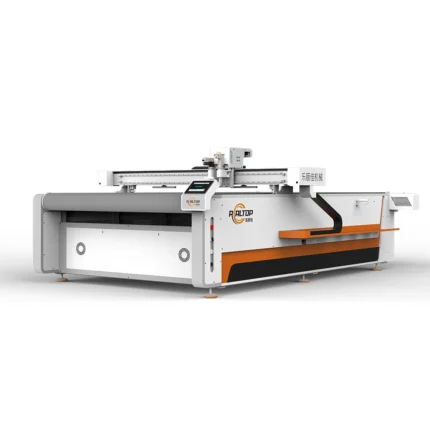
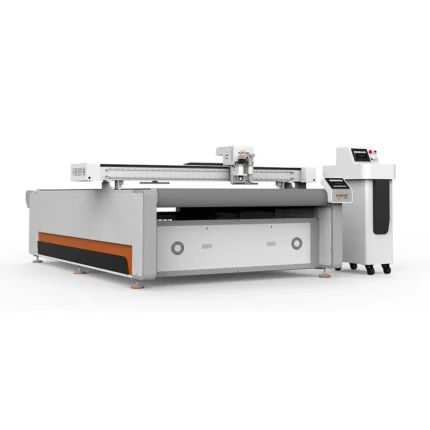
2026 Auto CNC Cloth Cutting Machine High-Precision Fabric Leather Plotter
Product Introduction
2026 Auto CNC Cloth Cutting Machine, a high-precision fabric & leather plotter designed for efficient cutting. Ideal for textile and leather industries with advanced CNC technology.
Key Specifications
| Model | Auto CNC Cloth Cutting Machine 2026 |
| Application | Fabric & Leather |
| Precision | High-Precision Cutting |
| Type | CNC Plotter |
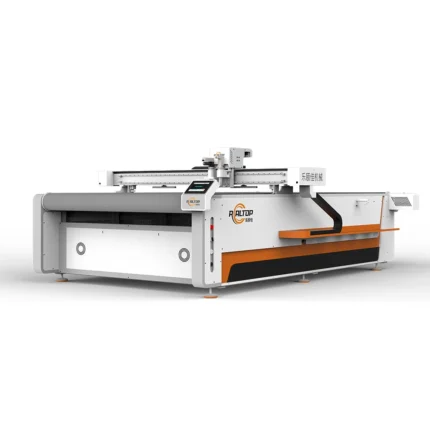
2026 Automatic PVC Tarpaulin Cutter Machine
Product Introduction
High-performance Automatic PVC Tarpaulin Cutter Machine 2026, ideal for precise and efficient cutting of PVC tarpaulin materials, designed for industrial manufacturing needs with reliable operation and user-friendly control.Product Parameters
| Model | 2026 |
| Type | Automatic PVC Tarpaulin Cutter |
| Application | PVC Tarpaulin Cutting |
| Feature | Precise & Efficient Cutting |
2026 Carbon Fiber Cloth Cutting Machine – China Manufacturer
Product Introduction
Fabric Sample Cutter Pillow Machine ¨C 2026 Carbon Fiber Cloth Cutting Machine, ideal for precise cutting of carbon fiber cloth and fabric samples, suitable for pillow production and related textile applications.Product Parameters
| Name | Fabric Sample Cutter Pillow Machine |
| Model | 2026 |
| Material | Carbon Fiber Cloth |
| Application | Pillow Fabric Cutting |
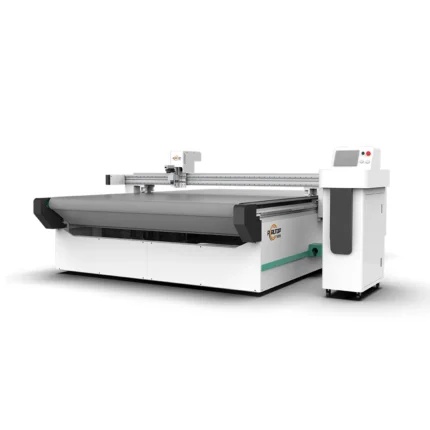
2026 Flatbed Oscillating Knife Cutter 1600x3500mm Auto-Feeding Textile
Product Overview
Flatbed Oscillating Knife Cutting Machine 2026 is a high-precision textile fabric cutter with auto-feeding function, ideal for efficient and accurate cutting tasks in textile manufacturing. It combines advanced oscillating knife technology with a large working area to meet industrial production needs.Key Specifications
| Model | 2026 |
| Working Area | 1600x3500mm |
| Feeding System | Auto-Feeding |
| Cutting Type | Oscillating Knife |
| Application | Textile Fabric |
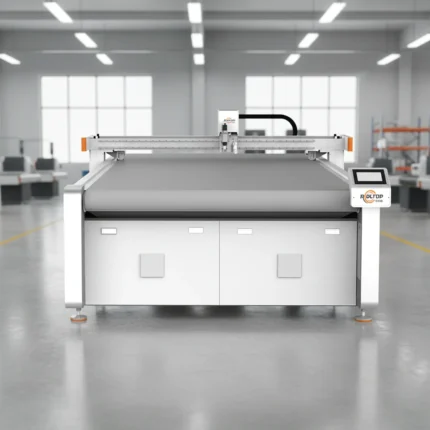
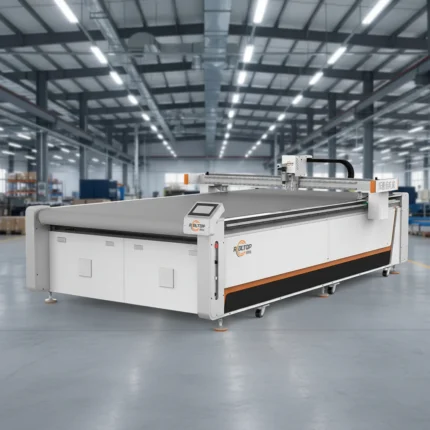
Automatic Multi-Layer Vibrating Knife Cutter 2026
Product Introduction
Automatic Multi-Layer Vibrating Knife Cutter 2026, ideal for precise cutting of various materials with multi-layer processing capability, enhancing production efficiency.
Key Specifications
| Type | Automatic Vibrating Knife Cutter |
| Layer Capacity | Multi-Layer |
| Model | 2026 |
| Function | Precision Cutting |
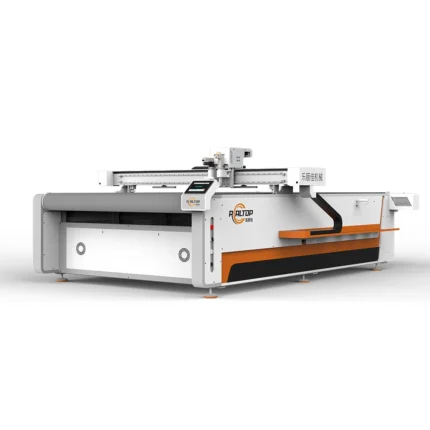
CNC Vibration Knife System 2026 for Polyester Nylon Non-Woven Prepreg
Product Introduction
CNC Vibration Knife System 2026 is ideal for cutting polyester, nylon, non-woven fabrics, and prepreg materials with precision and efficiency, suitable for industrial manufacturing needs.Product Parameters
| Model | 2026 |
| Cutting Technology | CNC Vibration Knife |
| Materials | Polyester, Nylon, Non-Woven, Prepreg |
商品评价
There are no reviews yet.